Bumper Repair After Accident: What to Do Next
A parking-lot tap can leave more behind than a scuff. Modern bumpers are designed to absorb impact, and the visible damage may hide broken mounting points, damaged sensors, cracked energy absorbers, or misaligned panels. That is why bumper repair after accident damage should start with a careful inspection, not a quick decision based on appearance alone.
For busy drivers in Westfield and across central and northern New Jersey, the goal is simple: get the vehicle back safely, looking right, and ready for daily life without unnecessary delays or surprises. The right repair depends on the force and location of the impact, the bumper material, and the equipment built into the vehicle.
What to Do Right After a Bumper Impact
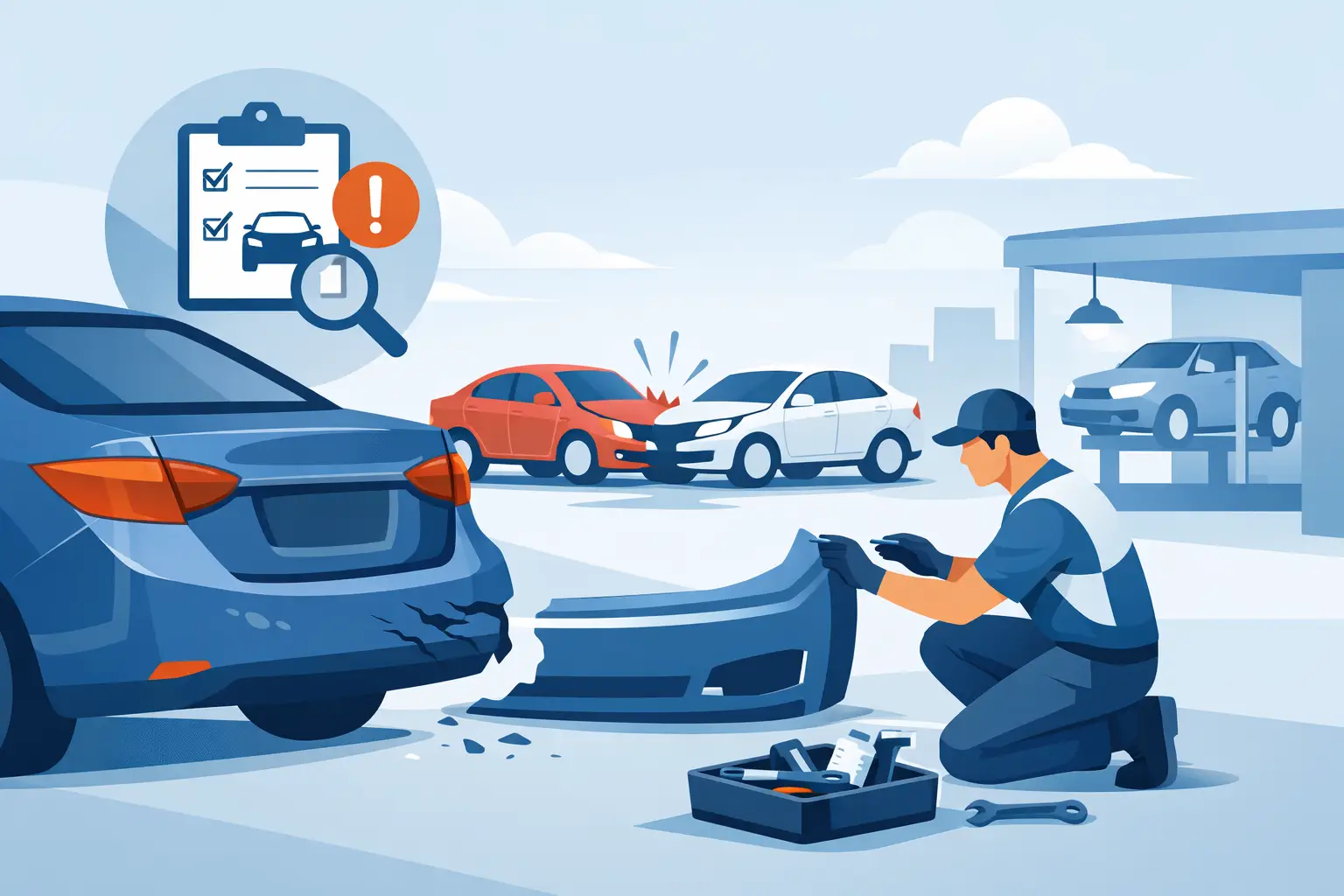
First, make sure everyone is safe and move the vehicle out of traffic if it can be driven safely. Exchange insurance information when another vehicle is involved, take clear photos from several angles, and document the scene before dirt, rain, or another drive changes the evidence.
Then look beyond the obvious scrape. Check whether the bumper is hanging loose, rubbing a tire, blocking a light, or creating sharp edges. Watch for warning lights on the dashboard, especially on newer vehicles with parking sensors, blind-spot monitoring, collision alerts, or front radar systems. If the bumper is loose, a light is damaged, fluid is leaking, or the vehicle pulls or handles differently, do not treat it as a cosmetic issue.
A tow is often the smarter choice after a heavier hit. Driving with a partially detached bumper can cause additional damage, and a vehicle with compromised lights, cooling components, or safety systems should be inspected before returning to the road.
Bumper Repair After Accident: Repair or Replace?
Many bumpers can be repaired, even when they look badly scuffed or dented. Most late-model bumper covers are plastic, which gives technicians options for reshaping, plastic welding, filling, sanding, and refinishing. A proper repair can restore a smooth, durable surface while keeping the original component in place.
Replacement is usually the better call when the cover is torn, severely stretched, missing pieces, or damaged at critical mounting areas. The same may apply when the internal bumper reinforcement, foam absorber, brackets, grille pieces, lights, or sensor mounts are damaged. Repairing a part beyond its safe limit may cost less in the moment, but it can create fitment problems, reduce protection in a future collision, and hurt the vehicle’s appearance.
The decision should not be based on a photo alone. A qualified collision technician needs to remove or inspect the bumper cover when necessary and check the components behind it. What appears to be a simple dent may involve broken retainers, hidden paint damage, or impact damage near the radiator support.
When a repair is often possible
Light scuffs, paint transfer, shallow dents, small cracks, and localized damage to a plastic bumper cover can often be repaired successfully. If the bumper still fits tightly, the mounting tabs are intact, and no safety equipment has been affected, repair may be the most practical and cost-effective option.
When replacement makes more sense
A replacement may be needed after a deep tear, extensive cracking, distorted plastic, damaged sensor mounting points, or a collision strong enough to affect components behind the bumper. Bumper covers are not interchangeable decorations. The correct part must fit the vehicle, support its installed technology, and align cleanly with surrounding body panels.
Hidden Damage Matters More Than Most Drivers Expect
The bumper is only the outer layer of a larger safety system. Behind it may be an impact absorber, reinforcement bar, brackets, wiring, parking sensors, radar units, washer components, headlights, grille shutters, and cooling parts. On some vehicles, a low-speed impact can also damage a lower valance or underbody shield that is easy to miss from standing height.
A technician should check panel gaps around the hood, trunk, fenders, and headlights. Uneven gaps can signal shifted parts or damaged brackets. On a front-end collision, the inspection may include the radiator, condenser, cooling fans, and active grille shutters. On a rear impact, it may include trunk alignment, taillights, backup sensors, exhaust clearance, and the spare-tire well.
This is also why a bumper should never simply be pushed back into place and called finished. A cover that looks acceptable but is secured with damaged clips or improvised fasteners may loosen again, rattle, or fail to protect the components behind it.
Paint Matching Is Part of a Quality Repair
Even a structurally sound bumper repair can look wrong if the paint does not match. Factory paint changes over time because of sun exposure, road debris, weather, and regular washing. The vehicle’s original paint code is a starting point, but experienced refinishing technicians also account for the real condition of the adjacent panels.
Proper preparation makes the difference. The damaged area must be cleaned, repaired, sanded, primed when needed, and refinished with compatible materials. Depending on the color and damage location, blending into nearby panels may be recommended to create a consistent result. Metallic, pearl, and tri-coat finishes can be especially demanding because their appearance shifts with angle and lighting.
A fast repair should still include enough curing time for a durable finish. Rushing paintwork can lead to poor gloss, visible repair edges, or finish problems later. The goal is a bumper that looks like it belongs on your vehicle, not one that looks freshly painted from across the parking lot.
Sensors and Safety Features Need Extra Attention
A bumper repair on an older vehicle may involve mostly plastic, paint, and mounting hardware. On a newer vehicle, it may involve advanced driver-assistance systems as well. Parking sensors, cameras, blind-spot monitors, radar sensors, and collision-warning systems can be installed in or near bumper areas.
If these parts are removed, replaced, shifted, painted around, or affected by impact, the vehicle may need diagnostic checks and calibration. A warning light is not the only sign of a problem. A system can operate inconsistently or provide inaccurate information if a sensor is misaligned.
Ask the repair facility whether the estimate includes scanning the vehicle for trouble codes and whether calibration is required after the repair. This is not an optional add-on when the manufacturer calls for it. It is part of returning the vehicle to proper working condition.
How Insurance and Estimates Usually Work
You have the right to understand what is being repaired and why. Start by collecting accident details, photos, your insurance information, and any claim number you have received. A repair shop can inspect the vehicle and provide an estimate, but the final repair plan may change after disassembly reveals hidden damage.
That does not mean the process should feel confusing. A good shop explains the difference between visible damage and supplemental damage found during the repair. It also communicates with the insurance company while keeping you informed about parts availability, authorization, and expected timing.
Do not choose a repair solely because the first number is the lowest. An incomplete estimate may leave out proper refinishing steps, replacement clips, sensor work, or hidden damage that will need attention later. Clear communication, quality parts decisions, safe procedures, and a guaranteed repair are worth more than a quick cosmetic patch.
Choosing a Shop for Bumper Damage
The best shop for bumper work is one that sees the whole vehicle, not just the scratched area. Look for certified technicians, collision repair experience, modern diagnostic and repair equipment, and a willingness to explain the recommendation in plain language. You should know whether the bumper will be repaired or replaced, how paint matching will be handled, and whether electronic safety systems will be checked.
Kings Auto Body Shop provides free same-day estimates and handles repairs ranging from minor bumper scuffs and reattachment to major collision and structural damage. For drivers already juggling work, school runs, and insurance calls, responsive towing and direct communication can make the repair process far less stressful.
Do not wait for a loose bumper, minor crack, or warning light to become a larger problem. Have the damage inspected, ask direct questions, and schedule the repair when the vehicle can be restored safely and correctly. A careful repair now protects your vehicle’s appearance, its safety features, and your confidence every time you get behind the wheel.