
Can Dented Doors Be Repaired? What Drivers Need
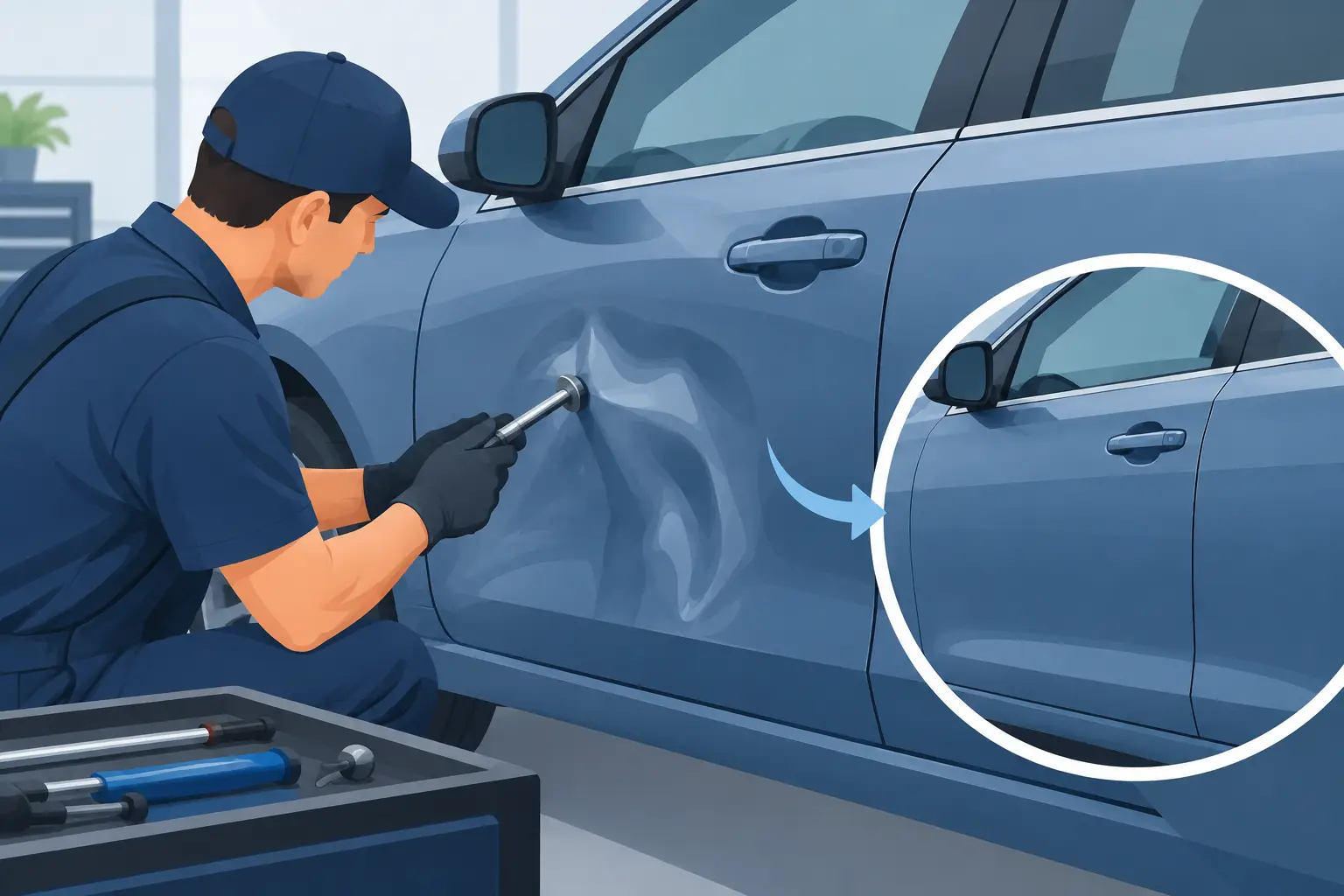
A parking-lot door ding may look minor, but a dented vehicle door can affect more than curb appeal. So, can dented doors be repaired? In many cases, yes. The right repair can restore the panel’s shape, protect the paint, and help ensure the door opens, closes, and seals as it should. The best method depends on the dent’s size, location, depth, and whether the impact damaged the paint or the door’s internal structure.
For drivers in Westfield and surrounding New Jersey communities, the goal should not be to simply make a dent less noticeable. A proper auto-body repair addresses the visible damage and checks the components behind it, so you can get back on the road with confidence.
When Can Dented Doors Be Repaired?
Most door dents are repairable, especially when the metal is not severely stretched or torn. Small round dents, shallow creases, and common door dings are often good candidates for repair. Even larger dents can frequently be reshaped by a trained technician using professional pulling, straightening, and refinishing equipment.
The paint condition is a major deciding factor. If the finish is still intact, paintless dent repair may be possible for certain dents. This technique carefully massages the metal back into position from behind the panel or uses specialized tabs to pull it outward. Because the original paint remains in place, the repair can be faster and may cost less than conventional bodywork.
If the paint is cracked, chipped, or scraped, the damaged area usually needs more than dent removal. The technician may need to reshape the panel, apply filler where appropriate, prime the surface, and refinish the door with a color-matched paint system. Done correctly, the result should blend naturally with the surrounding panels rather than leaving an obvious repair line.
What Makes a Door Dent Harder to Fix?
Not every dent has the same repair path. A shallow dent in the center of a flat door panel is generally simpler than a sharp crease along a body line. Metal can be returned close to its original form, but the more it has stretched during an impact, the more careful work it requires.
Damage near the edge of the door, around the handle, or close to a reinforcement beam can also be more involved. These areas are harder to access and may contain wiring, window tracks, side-impact components, or electronic sensors. A door that took a hard hit can also have hidden damage behind the outer skin.
Rust changes the equation as well. If paint was broken months ago and moisture has reached the metal, repairing the dent without addressing corrosion is only a temporary fix. The affected area may need to be cleaned, treated, and refinished to prevent rust from spreading under the paint.
A qualified body shop will also inspect panel gaps and door alignment. If the door rubs the fender, sits low, will not latch smoothly, or lets in wind noise or water, the issue may involve hinges, the latch, or structural damage. Those concerns need attention before cosmetic refinishing begins.
Repair Options for Dented Car Doors
The right option should be based on the vehicle and the damage, not a one-size-fits-all shortcut. A technician will typically recommend one of the following approaches after inspecting the door.
Paintless Dent Repair
Paintless dent repair works best on shallow dents where the factory finish has not been damaged. It preserves the original paint, avoids sanding and repainting, and can be an excellent solution for many door dings. However, it is not the right choice for every dent. Sharp creases, cracked paint, heavily stretched metal, and damage at difficult-to-reach edges may require conventional repair.
Conventional Dent Repair and Refinishing
For dents with paint damage, technicians use controlled methods to pull or reshape the metal, smooth the repaired surface, and prepare it for paint. The door is then primed, painted, and clear-coated as needed. Professional color matching matters here, particularly on metallic, pearl, tri-coat, and older finishes that may have faded over time.
This process takes longer than paintless repair, but it can restore both the panel and its protective finish. A quality refinish also helps guard against moisture, sun exposure, and future corrosion.
Door Skin or Door Replacement
Sometimes repair is possible but not the smartest investment. If the outer door skin is badly folded, torn, heavily rusted, or damaged across a large area, replacing the skin or the full door may provide a better long-term result. Replacement may also be recommended when the impact damaged internal crash protection, window mechanisms, wiring, or hinges.
Replacement does not mean settling for a mismatched door. The replacement panel can be properly fitted, prepared, painted, and blended so the vehicle has a clean, consistent appearance.
Why a Quick DIY Fix Can Create Bigger Problems
Online dent-removal tricks can be tempting after a frustrating parking-lot incident. Plungers, heat, suction cups, and glue-pull kits may occasionally improve a very light dent, but they can also crack paint, distort a body line, or pull too aggressively on a weakened panel. A temporary improvement is not always a proper repair.
Modern vehicle doors are more complex than they appear. Behind the outer panel may be side-impact protection, power-window components, wiring harnesses, speakers, sensors, and lock mechanisms. Applying force in the wrong place can create new issues that cost more to correct.
There is also the paint problem. If clear coat or color begins to lift during a DIY attempt, the repair may change from a small dent correction to a refinishing job. For a vehicle you depend on every day, an honest assessment first can save time and unnecessary expense.
What a Professional Door Repair Should Include
A dependable repair begins with a close inspection, not a guess from across the parking lot. The technician should assess the dent, paint condition, door operation, panel alignment, and any signs of hidden collision damage. If the vehicle was hit hard enough to affect the door, checking the adjacent fender, rocker panel, and frame area may be necessary.
After the repair method is selected, the work should focus on restoring the door’s original contour and proper function. If painting is required, preparation and color matching are just as important as removing the dent. Rushing those steps can leave ripples, an uneven finish, or a color difference that becomes more noticeable in sunlight.
At Kings Auto Body Shop, certified technicians use advanced repair technology to evaluate minor dents and more serious collision damage with the same attention to safety and finish quality. Clear estimates and straightforward communication help drivers understand whether repair or replacement makes the most sense for their vehicle.
Will Insurance Cover a Dented Door?
Coverage depends on how the damage occurred and the policy you carry. Collision coverage may apply if another vehicle, object, or garage structure caused the dent. Comprehensive coverage may apply in situations involving falling objects, vandalism, or storm-related damage. If another driver is responsible, their liability coverage may handle the repair.
For a small dent, compare the repair estimate with your deductible before filing a claim. Paying out of pocket can make sense when the cost is near or below the deductible. For a larger impact, damaged paint, or a door that no longer functions correctly, an insurance claim may be the more practical route.
A professional estimate gives you useful information either way. It identifies the needed repairs before you make a decision and helps prevent hidden damage from being overlooked.
Do Not Wait If the Door Is Damaged
A dent that looks cosmetic can become more serious when paint is broken, metal is exposed, or the door does not close properly. Water can reach unprotected metal, road salt can accelerate corrosion, and an improperly aligned door can compromise weather sealing and daily use.
If your door has been dented, schedule a prompt inspection and get a clear repair plan. Restoring the vehicle’s condition today can protect its appearance, value, and the peace of mind you need for every commute, school run, and weekend drive.