
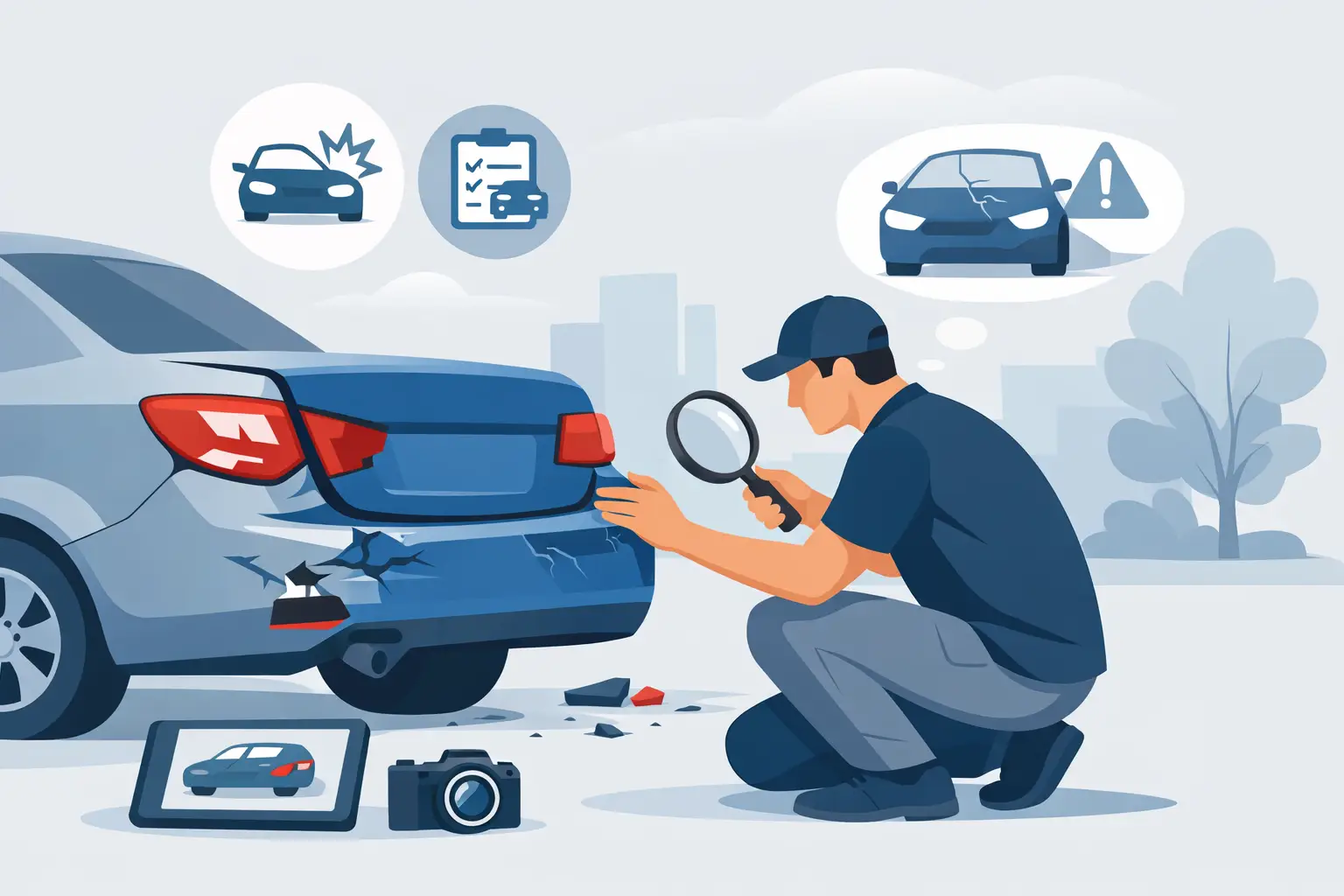
How to Assess Bumper Damage After a Collision
A bumper can look like it took a minor hit and still hide damage that affects safety, alignment, sensors, or the parts behind it. Knowing how to assess bumper damage gives you a better idea of whether you are looking at a cosmetic repair, a replacement, or a vehicle that needs professional attention before it goes back on the road.
For drivers in Westfield, Elizabeth, Newark, and nearby New Jersey communities, the practical question is simple: can you safely drive your car, and what will it take to restore it properly? Start with a calm visual check, document what you see, and do not assume a bumper has done its job just because the damage appears small.
How to Assess Bumper Damage Safely
Park on a level surface, turn the engine off, and look at the bumper in good daylight if possible. Do not crawl underneath a vehicle that is supported only by a jack, and avoid touching sharp broken plastic, loose wiring, or leaking fluid. If the impact was substantial, move slowly around the vehicle and check more than the point where it was struck.
Modern bumpers are more than painted plastic. A typical system may include the painted bumper cover, foam or plastic energy absorber, metal reinforcement bar, mounting brackets, grille components, reflectors, wiring, parking sensors, radar sensors, cameras, and nearby lights. A low-speed parking impact may only mark the outer cover. A harder collision can bend hidden supports or knock safety technology out of position.
Start with the visible surface
Look for scratches, paint transfer, cracks, punctures, tears, deep dents, and areas where the bumper has popped away from the body. Paint transfer from another vehicle, pole, or garage wall may sometimes be removable through professional polishing. A deep scrape that cuts through the clear coat and paint is different. Exposed material can look rough, collect dirt, and may require refinishing for a durable color match.
Pay close attention to cracks around corners, grilles, fog light openings, and license plate mounts. Those areas flex during an impact and can split even when the center of the bumper looks fine. A crack may seem minor at first, but vibration, weather, and repeated use can allow it to spread.
Check the gaps where the bumper meets the fenders, hood, trunk lid, headlights, or taillights. Even, consistent gaps are a good sign. A bumper that sits lower on one side, sticks out at a corner, or leaves a wide uneven gap may have broken clips, damaged brackets, or hidden structural movement.
Check whether the bumper is secure
Without forcing it, gently press along the bumper cover near both corners and around any damaged area. It should feel firmly attached. If it shifts, rattles, hangs down, or separates from the body, do not treat it as a simple appearance issue. Loose bumper pieces can detach while driving, interfere with a tire, or expose components behind the cover.
Also inspect the underside. Look for torn splash shields, loose fasteners, bent plastic panels, or parts dragging close to the pavement. A curb strike or front-end impact can damage lower pieces that are easy to miss from standing height.
Look Beyond the Bumper Cover
The outer cover is designed to flex and absorb minor contact, which is why damage can be misleading. If the cover rebounds after a hit, hidden components may still be compressed, cracked, or bent. This is where a trained collision technician’s inspection matters most.
Look through the grille openings and under the hood for obvious signs of trouble. Check for bent supports, cracked radiator shrouds, loose headlights, leaking coolant, or damaged wiring. At the rear, inspect the trunk area, taillight fit, exhaust position, and the seam around the trunk lid. You are not trying to diagnose every part yourself. You are looking for clues that the impact reached beyond the bumper skin.
A bumper impact can also affect wheel alignment. Stand several feet away and compare the position of the front wheels or rear tires. If one wheel looks pushed back, angled differently, or sits unusually close to the wheel well, stop driving and arrange for towing. Steering pull, vibration, a crooked steering wheel, or a new rubbing sound after the collision also deserves prompt inspection.
Test Lights, Sensors, and Basic Vehicle Functions
Many late-model vehicles have safety and convenience features mounted in or near the bumper. Parking sensors, blind-spot radar, backup cameras, adaptive cruise control sensors, cross-traffic alerts, and automatic emergency braking systems all depend on correct placement and calibration.
Turn the vehicle on and check the dashboard for warning lights. Test your headlights, turn signals, brake lights, reverse lights, fog lights, backup camera, and parking sensors. A warning message such as “parking assist unavailable” or “front radar blocked” should not be ignored after an impact, even if the car drives normally.
Be aware that a sensor can appear to work but still be aimed incorrectly. Reattaching a bumper cover without repairing the mounting points or completing required calibration may leave a driver with unreliable driver-assistance features. Proper collision repair is about restoring function, not just making the panel look straight again.
Know When You Should Not Drive
A small scuff does not always require an emergency repair. But some bumper damage calls for immediate professional help rather than a commute, school run, or highway trip. Arrange a tow if you notice any of the following:
- The bumper is loose, dragging, sharply cracked, or likely to fall off.
- Coolant, oil, fuel, or another fluid is leaking after the impact.
- A tire rubs the bumper or wheel well, or the vehicle pulls, shakes, or steers abnormally.
- Headlights, taillights, brake lights, or turn signals are broken or unsecured.
- Airbag, radar, parking-assist, or collision-warning alerts remain on.
- The impact damaged the radiator area, trunk floor, frame area, or major mounting points.
It depends on the vehicle and where it was struck, but caution is usually less expensive than turning a repairable issue into a larger collision claim. If you are uncertain, have the vehicle inspected before driving it regularly.
Document the Damage Before Cleaning or Repairing It
Take clear photos before washing, polishing, pushing the bumper back into place, or removing loose pieces. Photograph the full vehicle from each corner, then take close-ups of scratches, cracks, gaps, broken mounts, warning lights, and any damaged parts on the ground. Include the license plate and a few wider shots that show the location of the impact.
Write down the date, time, location, what happened, and any changes you noticed while driving afterward. If another vehicle was involved, keep the other driver’s information, insurance details, report number, and photographs of both vehicles. This record can make insurance conversations and repair estimates more straightforward.
Do not rely on a photo alone to determine the total repair cost. Photos are useful for documenting the event and starting a conversation, but hidden damage often becomes visible only when a technician removes the bumper cover and examines the brackets, absorber, reinforcement, wiring, and surrounding panels.
Repair, Refinish, or Replace: What Makes the Difference?
A repair may be appropriate when the bumper cover has a shallow dent, light scratching, limited paint damage, or a minor crack in a repairable location. Skilled technicians can reshape certain plastic covers, repair damage where appropriate, and refinish the area with accurate color matching.
Replacement is more likely when the cover has large tears, severe distortion, multiple cracks, damaged mounting tabs, or a compromised sensor mounting area. It may also be the safer choice when the internal absorber or reinforcement components have been damaged. The lowest initial estimate is not always the best value if it skips the parts and procedures needed to restore fit, appearance, and safety systems.
Ask the repair facility to explain what is visible, what may be hidden, and whether scanning or calibration is needed. A clear estimate should help you understand labor, parts, paint and refinishing work, and any safety-related procedures. If insurance is involved, a quality shop can work with the insurer while keeping the repair focused on restoring your vehicle correctly.
At Kings Auto Body Shop, certified technicians inspect bumper damage with the same care whether it came from a parking-lot ding or a heavier collision. The goal is not simply to make the bumper look better. It is to restore secure fit, proper operation, and a clean finish you can trust.
If your bumper is cracked, loose, misaligned, or triggering a warning light, do not wait for the problem to get worse. Schedule a professional inspection and restore your vehicle’s condition with a repair plan built around safety, honest communication, and the way you rely on your car every day.