When an Auto Body Polishing Service Is Worth It
A clean car can still look tired when the paint has lost its depth. Road salt, sun exposure, automatic car washes, bird droppings, tree sap, and everyday dust slowly leave behind haze, swirl marks, and fine scratches. An auto body polishing service can restore clarity and gloss when the damage is limited to the paint’s outer surface – and it can make a major difference in how your vehicle looks when you pull into the driveway or head to work.
For drivers in Westfield and surrounding New Jersey communities, polishing is not just about a showroom shine. It is a careful paint-correction process that helps preserve the finish you already have. The right service depends on the condition of the paint, the age of the vehicle, and whether there is hidden collision damage that needs attention first.
What an Auto Body Polishing Service Actually Does
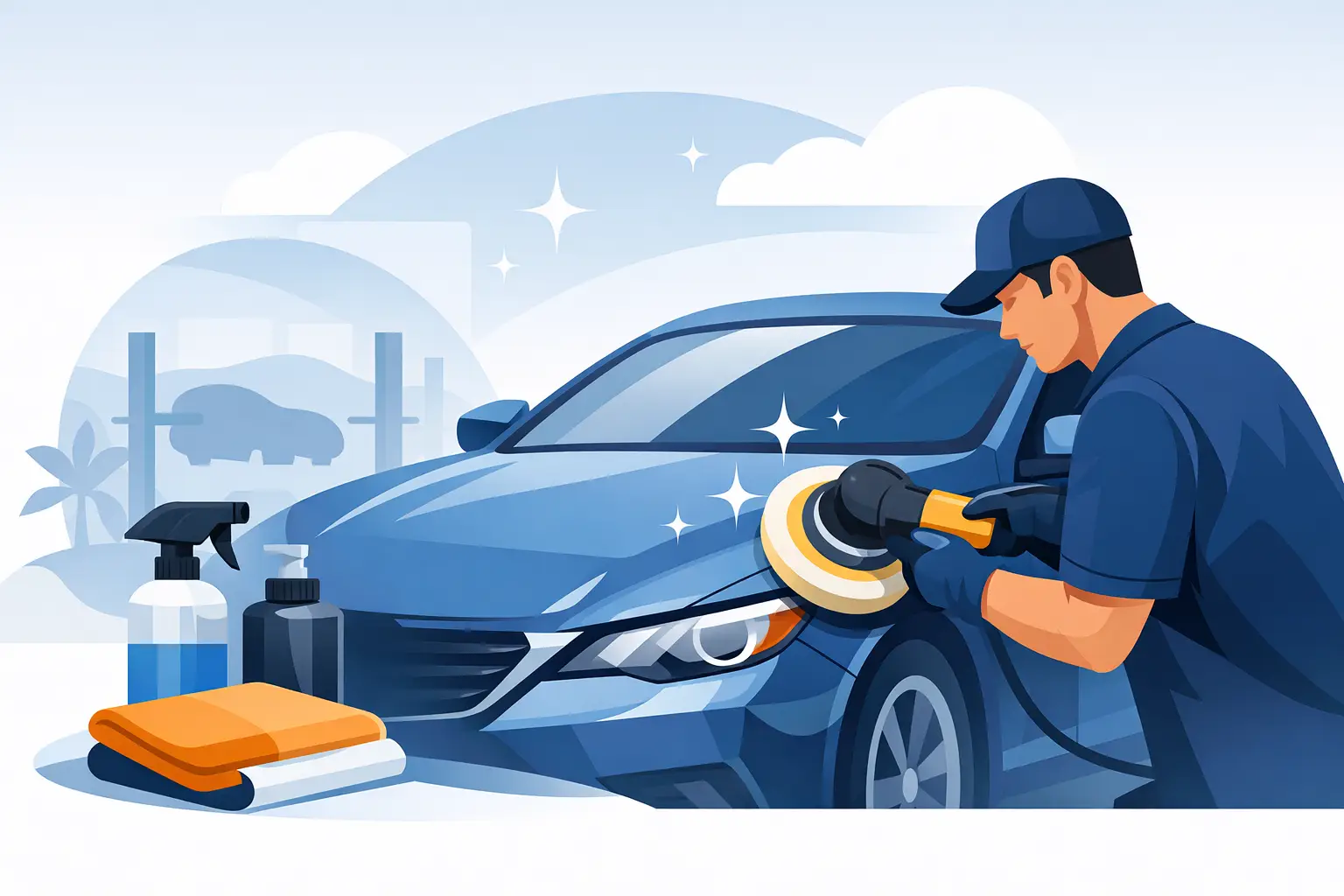
Professional polishing removes or reduces very small imperfections in a vehicle’s clear coat, the transparent protective layer over the color. Certified technicians use the right polishing compounds, pads, and machine settings to level the surface gently. Light reflects more evenly afterward, which is why the paint appears deeper, cleaner, and more glossy.
Polishing can improve light swirl marks, oxidation, water spots, fine scratches, transfer marks, and dull areas around repaired panels. It is often a valuable finishing step after paint correction, bumper repair, color matching, or refinishing work. When a vehicle has had collision repairs, a properly polished surrounding area can help the repaired section blend naturally with the rest of the body.
There is a limit, however. Polishing does not fix deep scratches that cut through the clear coat and color layer. It cannot straighten a dent, repair a cracked bumper, remove rust, or correct a panel that has been poorly painted. Those concerns call for the appropriate body, paint, or structural repair before any final polishing is done.
Signs Your Paint May Need Professional Attention
A close look in direct sunlight often tells the story. If the paint looks cloudy even after a wash, or you see circular marks across the hood and doors, the clear coat may be affected. Fine scratches can be especially noticeable on black, dark blue, and other deep colors, but any vehicle can develop them over time.
Consider an auto body polishing service when you notice several of these issues:
- The finish looks dull, chalky, or uneven after washing.
- Light scratches or swirl marks show up in sunlight or under parking-lot lights.
- Water spots, sap residue, or bug marks have left visible etching.
- A recent repair or touch-up needs a smoother, more consistent finish.
- You are preparing to sell or trade in your vehicle and want it to make a stronger first impression.
If a scratch catches your fingernail, it may be too deep for polishing alone. A professional inspection is the honest way to find out whether paint correction will help or whether the panel needs refinishing. Trying to aggressively polish a deep defect at home can thin the clear coat and create a larger problem.
Why DIY Polishing Can Go Wrong
Store-bought polish and a microfiber towel may improve a minor scuff, but there is a big difference between applying a mild product by hand and correcting paint with professional equipment. Every vehicle has different paint thickness, clear-coat condition, color, and prior repair history. A one-size-fits-all approach can leave uneven gloss, fresh swirl marks, or burn through vulnerable paint edges.
Machine polishing also requires proper preparation. The vehicle should be washed thoroughly, decontaminated, and inspected before work begins. Dirt trapped under a pad can scratch the surface. Using the wrong compound can create haze instead of removing it. Working too aggressively around body lines, mirrors, door handles, and repainted panels can damage the finish.
This is where experienced auto-body technicians bring real value. They can tell the difference between surface contamination, clear-coat damage, paint failure, and collision-related issues. That assessment helps you pay for the service your car actually needs rather than a quick cosmetic fix that does not last.
Polishing After Collision Repair Requires Precision
After an accident, a polished finish should never be the only goal. Safety comes first. If your vehicle has bumper damage, broken glass, frame damage, panel misalignment, or mechanical concerns, those issues need professional repair before appearance work begins.
Once collision repairs and paint refinishing are complete, polishing helps produce the final level of quality drivers expect. It can remove minor finishing marks, refine the clear coat, and support a smooth transition between repaired and existing panels. Careful color matching and proper curing time matter here. Polishing fresh paint too soon can affect the finish, while waiting until the paint is fully ready allows technicians to complete the process correctly.
At Kings Auto Body Shop, the same attention used for dent removal, frame straightening, bumper repair, and paintwork carries through to the finishing stage. The goal is not to make a damaged vehicle look acceptable from across a parking lot. It is to return it with a clean, durable, roadworthy finish that holds up to daily driving.
How Long Does Polishing Last?
The results can last for months, but it depends on how the vehicle is used and maintained. A car parked outside every day in New Jersey weather will face more sun, rain, pollen, salt, and contaminants than one kept in a garage. Frequent automatic washes with harsh brushes can quickly add new swirl marks.
After professional polishing, gentle maintenance protects the work. Use clean microfiber towels, wash with products made for automotive paint, and remove bird droppings or tree sap as soon as possible. Avoid wiping dry dust from the paint, since that can drag grit across the clear coat. A quality protective treatment may also help the finish stay cleaner and easier to wash.
Polishing should not be treated like a monthly fix. Because it works on the outer surface of the clear coat, repeated aggressive correction can reduce the amount of material available over time. For most vehicles, polishing is best used when the paint truly needs restoration, after a repair, or before an important sale or event.
Choosing the Right Level of Paint Correction
Not every vehicle needs a full correction process. A newer car with light wash marks may only need a mild polish. A neglected finish with oxidation and widespread scratches may require more involved paint correction, possibly across multiple panels. If clear-coat failure has started – often seen as peeling, flaking, or cloudy patches that do not improve with washing – repainting may be the better long-term answer.
An honest estimate should explain the condition of the finish, what can reasonably be improved, and what cannot be corrected without paintwork. This clarity matters after an accident as well. Insurance may cover collision-related refinishing, but routine cosmetic polishing is not always included. A repair shop can help separate necessary collision repairs from optional appearance services so there are no surprises.
Protect the Finish You Depend On Every Day
Your vehicle handles commutes, school drop-offs, errands, highway miles, and unpredictable weather. When the paint is hazy or marked up, professional polishing can bring back the crisp, cared-for appearance that makes the car feel like yours again. When the damage goes beyond the surface, getting the right body and paint repair first protects both the vehicle’s appearance and its value.
If your car has lost its shine after a fender bender, a rough winter, or years of daily driving, schedule an inspection and get a clear answer about the best next step. A careful evaluation today can prevent a small finish concern from becoming a larger repainting job later.