Auto Body Shop Versus Garage: Which One?
A cracked bumper after a parking-lot mishap, a warning light on the commute home, or a door that no longer closes correctly can all leave drivers asking the same question: auto body shop versus garage, which one should handle the repair? The right choice affects more than the final bill. It can affect your vehicle’s safety, appearance, resale value, and the time it takes to get back on the road.
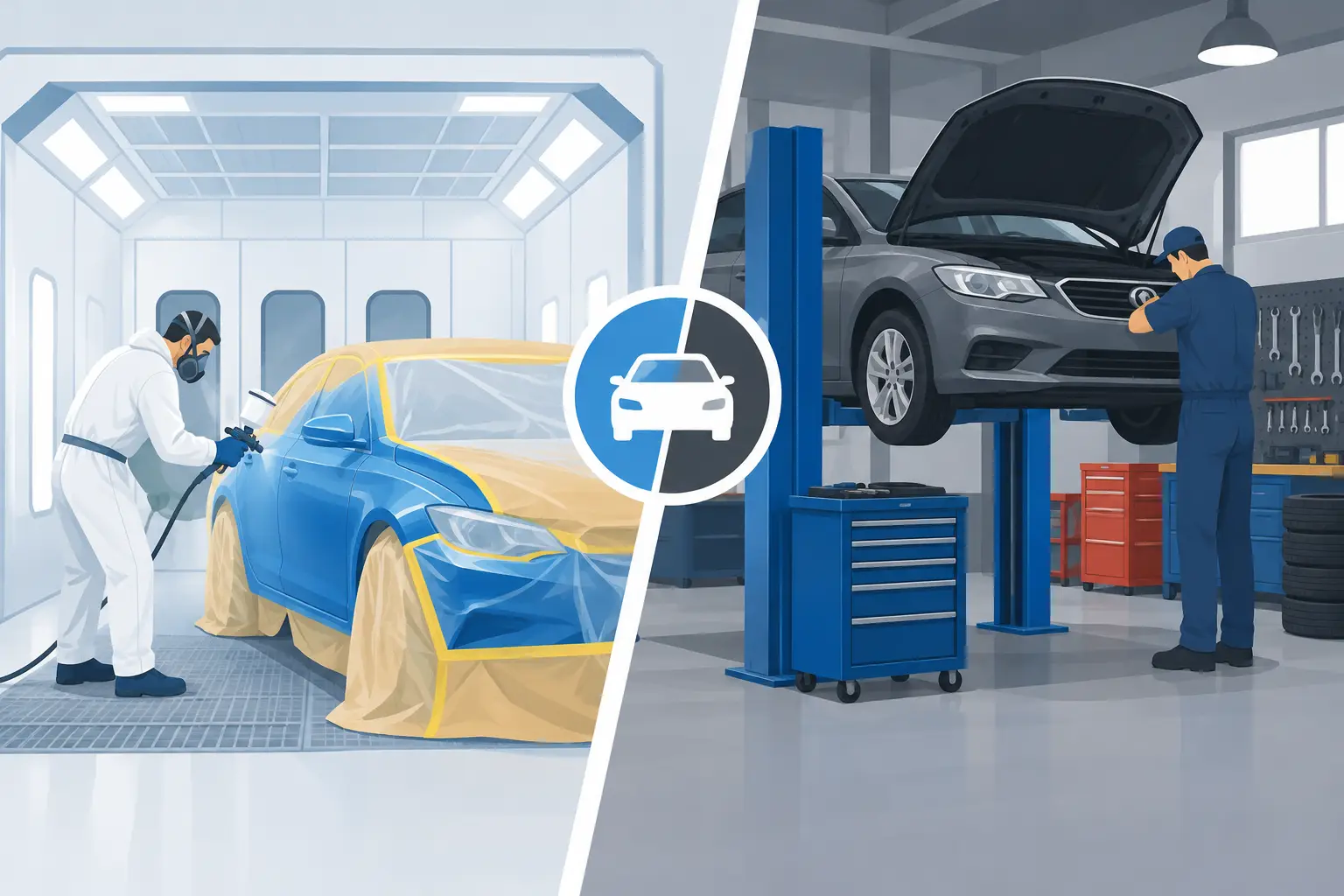
For Westfield-area drivers, the answer usually comes down to the type of damage. An auto body shop restores the exterior, structure, paint, and collision-related components of a vehicle. A garage typically focuses on mechanical systems, maintenance, and everyday drivability. Some repairs overlap, especially after an accident, but knowing the difference helps you avoid delays and get the right specialist involved from the start.
Auto Body Shop Versus Garage: The Core Difference
An auto body shop specializes in repairing damage to the vehicle’s body and underlying structure. This includes dents, damaged bumpers, broken glass, bent panels, paint damage, misaligned doors, collision damage, and frame concerns. The goal is to restore both the way the vehicle looks and the way it protects you in a future impact.
A garage, often called a mechanic shop or repair garage, generally focuses on the systems that make a vehicle operate. Think oil changes, brakes, engine work, transmission service, batteries, tires, suspension maintenance, cooling-system problems, and diagnostic work for warning lights.
That distinction sounds simple until an accident creates both kinds of damage. A front-end collision may crack the bumper and grille, bend mounting brackets, damage a headlight, disturb sensors, and create a cooling-system leak. In that situation, you need more than a quick visual fix. A qualified collision repair shop can assess the full extent of the impact, coordinate necessary mechanical repair, and make sure the exterior components fit and function as intended.
When an Auto Body Shop Is the Right Call
Choose an auto body shop when the problem began with a collision, scrape, falling debris, vandalism, or another event that damaged the vehicle’s exterior or structure. Even a low-speed impact can affect more than the visible panel. Modern vehicles use energy-absorbing bumpers, sensors, cameras, brackets, wiring, and carefully engineered crumple zones. A bumper that looks only scuffed may have hidden damage behind it.
An auto body repair specialist is usually the better choice for dent removal, bumper repair or replacement, fender damage, door damage, auto glass replacement, headlight restoration, paint scratches, panel refinishing, and color matching. These repairs require equipment and techniques designed for appearance as well as safety. Proper color matching, for example, takes more than spraying paint that looks close under shop lights. The finish has to blend correctly with neighboring panels and hold up against New Jersey weather, sun exposure, road salt, and daily driving.
Frame and unibody damage also belongs at a collision repair facility. If the vehicle pulls to one side after an accident, a door sticks, the trunk will not latch, or body gaps look uneven, do not assume it is a minor alignment issue. The underlying structure may need precise measurement and straightening. That work is essential to restoring how the vehicle handles and how its safety systems perform.
At Kings Auto Body Shop, certified technicians evaluate visible and hidden collision damage, from a small dent to major structural repairs. That means customers can begin with a clear estimate instead of guessing whether a cosmetic issue has become a safety concern.
When a Garage Makes More Sense
A garage is the practical choice for maintenance and mechanical wear that develops over time. If your check-engine light comes on without an accident, your brakes squeal, the engine overheats, the battery keeps dying, or the transmission shifts poorly, start with a trusted mechanic. These issues require diagnostic tools and mechanical expertise focused on the vehicle’s powertrain, electrical systems, fluids, and routine service needs.
Garages are also well suited for scheduled services such as oil and filter changes, brake-pad replacement, tire rotation, wheel balancing, tune-ups, and state inspection-related repairs. These jobs are part of keeping a vehicle dependable week after week.
Still, context matters. If a warning light appears immediately after a collision, or the car starts driving differently after it was hit, do not treat it as ordinary mechanical wear. Accident damage can affect sensors, steering components, suspension, wiring, cooling parts, and more. A collision shop should inspect the vehicle first or work alongside a mechanical specialist to identify the source of the problem.
Signs You May Need Both Specialists
The auto body shop versus garage decision is not always either-or. Major collisions frequently require body repair and mechanical work in the same repair plan. The important thing is having the damage assessed in the proper order.
For example, a rear-end accident can leave a bumper cover cracked while also damaging brackets, parking sensors, exhaust components, or a trunk latch. A side impact can dent doors and quarter panels while affecting wheel alignment or suspension. A hard hit to the front can damage body panels, headlights, radiator supports, and mechanical components behind the bumper.
In these cases, the best repair experience comes from a shop that communicates clearly about what it can handle directly, what may require a mechanical partner, and how the work will be documented. You should not have to chase answers between multiple businesses while your car is sitting unusable.
Do Not Judge Accident Damage by Appearance Alone
A vehicle can look drivable and still have damage that deserves prompt attention. Loose bumper pieces, broken lights, foggy headlights, exposed wiring, misaligned panels, leaking fluids, or a steering wheel that feels off are all reasons to schedule an inspection. Ignoring them can create a larger repair later or leave you driving with reduced visibility and protection.
A professional estimate should explain the repair in plain language. Ask what parts are damaged, whether replacement or repair is recommended, how paint will be matched, and whether structural measurements or calibrations are needed. Honest answers matter, especially when you depend on your vehicle for work, school, family errands, and daily commuting.
Insurance Repairs Require Collision Expertise
If another driver hit your vehicle or you plan to use collision coverage, an auto body shop is generally the right starting point. Collision repair facilities understand how to document impact damage, prepare repair estimates, work with insurance companies, and identify hidden issues that may appear once damaged parts are removed.
You have the right to choose the repair shop you trust. Insurance involvement should not mean accepting rushed work or settling for a repair that only looks acceptable from a few feet away. The repair should restore proper panel fit, finish quality, safety-related components, and overall vehicle condition.
Fast service matters, but speed should never come at the cost of proper repairs. A quality shop balances efficient scheduling with the time needed for accurate estimates, parts availability, structural work, paint curing, and final inspection. That approach helps prevent the frustration of returning days later because a panel rattles, a light does not work, or the paint finish does not match.
How to Choose With Confidence
Before dropping off your vehicle, consider the source of the damage first. If it came from an impact or affects the body, paint, glass, bumper, frame, or exterior fit, call an auto body shop. If it is maintenance-related or involves engine, brake, fluid, or drivetrain performance without collision damage, call a garage.
Then consider the shop’s qualifications. Look for licensed and insured professionals, experienced technicians, clear estimates, modern repair equipment, and a willingness to explain the work. For collision repairs, ask whether the shop handles towing, works with insurance companies, provides a repair guarantee, and checks for hidden damage. These details make a real difference when you are already dealing with the stress of an accident.
If you are unsure where the issue belongs, do not wait for a small problem to become a bigger one. Take photos, note any warning lights or changes in how the vehicle drives, and schedule an inspection with a local collision professional. A careful assessment can give you a clear repair path and the confidence to get your vehicle safely back to the road.