Bumper Safety After a Crash: What Drivers Should Know
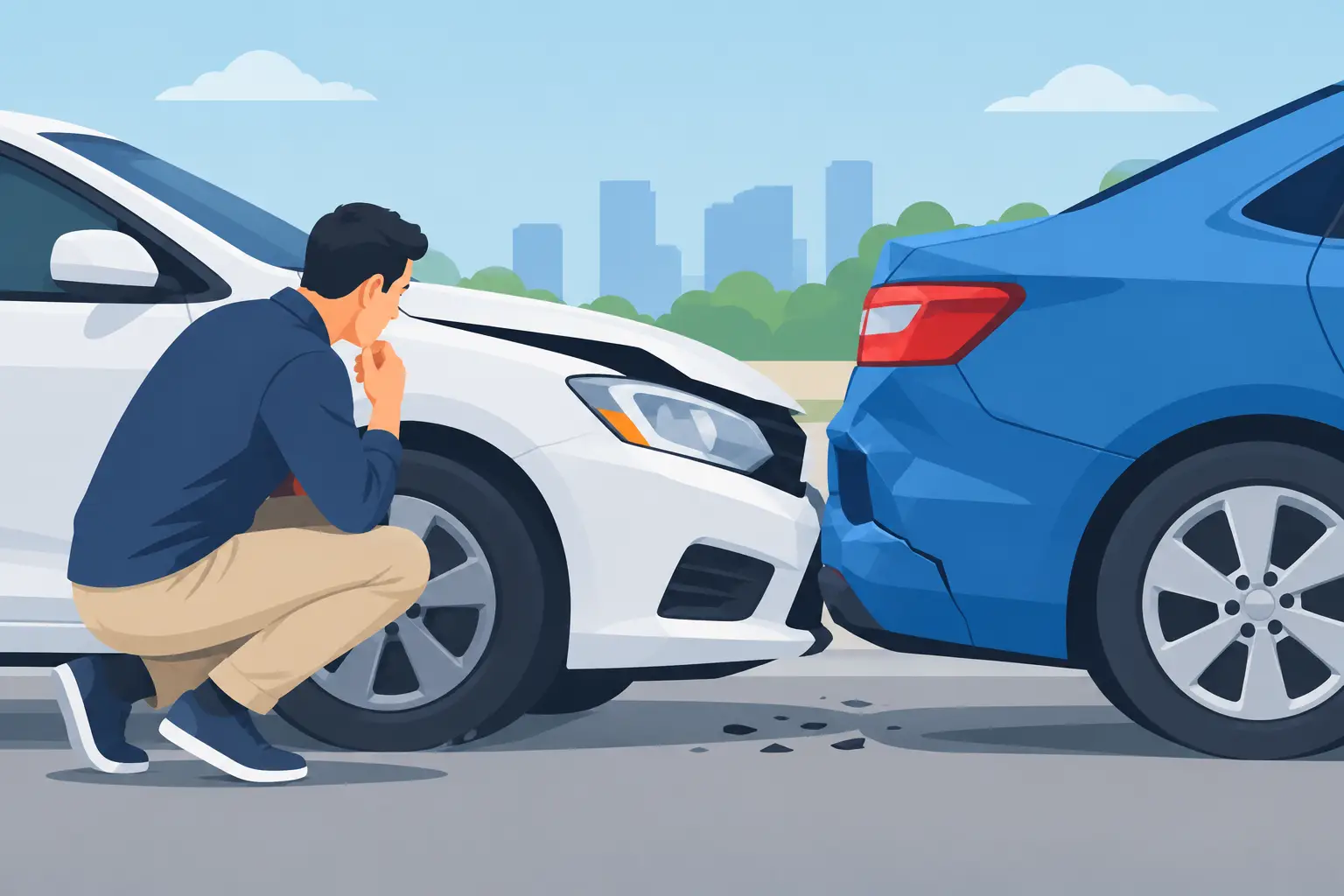
A bumper can look like it survived a parking-lot bump with little more than a scuff. But bumper safety is about far more than the painted cover you see from the outside. Behind that cover are energy-absorbing materials, mounting points, sensors, wiring, brackets, and reinforcement components that may be affected even when the visible damage seems minor.
For busy drivers in Westfield and across central and northern New Jersey, the right next step after a collision is not guessing whether the car is fine. It is getting a qualified inspection. A properly repaired bumper helps your vehicle manage impact forces as designed, supports key safety technology, and restores the clean appearance you expect.
Why Bumper Safety Is More Than Cosmetic
Modern bumpers are designed to reduce damage in lower-speed impacts and help manage collision energy. The exterior bumper cover is usually plastic, but it is not the only part that matters. Underneath it may be foam or an absorber, a reinforcement bar, mounting hardware, impact sensors, parking sensors, radar units, cameras, and wiring.
A crack, dent, loose corner, or scraped paint may be the only obvious sign of contact. Still, the force of an impact can bend a bracket, shift the bumper beam, crush an absorber, or damage a sensor mount behind the cover. Those issues may not show up until a warning light appears, a parking sensor stops working, or the bumper no longer fits tightly against the body.
That is why a bumper should never be judged by appearance alone. Cosmetic refinishing can restore color and shine, but safe collision repair also requires checking the parts hidden beneath the surface.
What Can Be Damaged in a Bumper Impact?
Every collision is different. A slow backing accident may only damage the cover, while a harder front or rear impact can affect several connected components. The extent of repair depends on the vehicle, where it was struck, the angle of impact, and the safety systems installed on the car.
The bumper cover may need repair or replacement if it is cracked, torn, deeply gouged, or distorted. Small scuffs and minor dents can sometimes be repaired successfully, especially when the cover has not lost its shape or strength. Replacement is often the safer choice when damage is extensive or when repair would compromise the part’s fit and finish.
Behind the cover, technicians inspect the absorber and reinforcement bar. These parts help manage impact energy. If they are crushed, bent, or displaced, they should not simply be hidden behind a freshly painted cover. Mounting tabs, brackets, clips, and retainers also matter. A bumper that sags, rattles, or pulls away at one corner is not secured correctly.
On newer vehicles, sensor-related damage deserves special attention. A minor hit can affect parking-assist sensors, blind-spot monitoring, forward-collision components, cameras, or radar equipment. Depending on the vehicle and repair performed, these systems may require calibration after parts are repaired or replaced. Skipping that step can leave safety features inaccurate or unavailable.
Signs You Should Schedule a Bumper Inspection
Do not wait for a major problem before having the vehicle checked. Schedule an inspection promptly if the bumper is cracked, hanging loose, pushed inward, uneven, or separated from the fender or grille. A new warning light, a backup camera that looks misaligned, or parking sensors that beep unexpectedly are also clear reasons to bring the vehicle in.
Pay attention to changes in how the car drives after an impact. A bumper hit can sometimes transfer force to areas around the wheels, radiator support, trunk floor, or frame structure. Pulling to one side, vibration, fluid leaks, a rubbing tire, difficulty opening the hood or trunk, or a new noise should be evaluated right away.
If the impact involved a pedestrian, another vehicle at speed, a guardrail, or an object that struck the bumper hard enough to move it noticeably, do not treat it as a quick touch-up job. The car may be drivable, but that does not mean every component is safe or functioning as intended.
When Is It Safe to Keep Driving?
It depends on the damage. A light surface scuff with no loose parts, warning lights, leaks, or changes in vehicle operation may not prevent you from driving to get an estimate. Even then, an inspection is wise because hidden damage is possible.
Do not continue driving if the bumper is dragging, loose enough to contact a tire, blocking lights or the license plate, or exposing sharp edges. Stop driving and arrange towing if you see fluid leaking near the front of the vehicle, smell coolant, notice overheating, or have steering, braking, or alignment concerns. A damaged front bumper can be close to cooling components, headlights, and other systems that need immediate attention.
After a rear impact, check that brake lights, reverse lights, trunk operation, and the rear camera work correctly before getting back on the road. If the bumper has shifted close to an exhaust outlet, do not ignore it. Heat can damage plastic components, and a loose bumper around the exhaust is a real safety concern.
Repair, Replacement, and the Importance of Proper Fit
The best repair is not automatically the cheapest repair, and replacement is not automatically necessary. An experienced auto body technician examines the material, damage location, structural condition, and the vehicle manufacturer’s repair procedures before recommending the right approach.
For a repairable bumper cover, the damaged area may be reshaped, repaired with approved materials, sanded, primed, and refinished to match the vehicle’s color. The result should look clean and fit correctly without gaps, waves, or loose edges.
When replacement is needed, the work should include more than installing a new cover. The new part must be aligned with the fenders, headlights, grille, trunk, or liftgate. Technicians should inspect the hardware and underlying components, transfer or replace sensors and trim correctly, and confirm that safety-related features work as they should. Quality color matching and refinishing complete the job, but they should never take priority over proper fit and function.
Aftermarket, recycled, and original equipment parts can each have a place depending on the vehicle, insurance coverage, availability, and repair needs. The key is honest communication about the options. A quality repair facility will explain what is being used and why, rather than treating every bumper repair as identical.
Do Not Let a Small Bumper Problem Grow
A loose bumper cover can worsen with highway wind, rain, potholes, and everyday vibration. Broken clips can turn into cracked mounting points. Exposed or damaged paint can allow moisture to reach vulnerable areas, while a malfunctioning sensor can reduce the usefulness of a system you rely on during daily driving.
Prompt repair also helps preserve the vehicle’s appearance and value. Whether you are commuting, driving children to school, or preparing to sell or return a leased vehicle, a properly repaired bumper sends the right message: the car has been cared for, not patched over.
Get a Clear Answer After a Collision
After an accident, you deserve more than a quick glance and a vague estimate. You need a repair team that checks the visible damage, looks behind the bumper, explains the findings clearly, and restores the vehicle with safety and appearance in mind.
Kings Auto Body Shop provides free same-day estimates and dependable collision repair for drivers who need straight answers and careful work. If your bumper has been hit, scraped, cracked, or knocked loose, schedule an inspection before a small issue becomes a larger repair. Getting it checked now can help you drive away with greater confidence every day.