
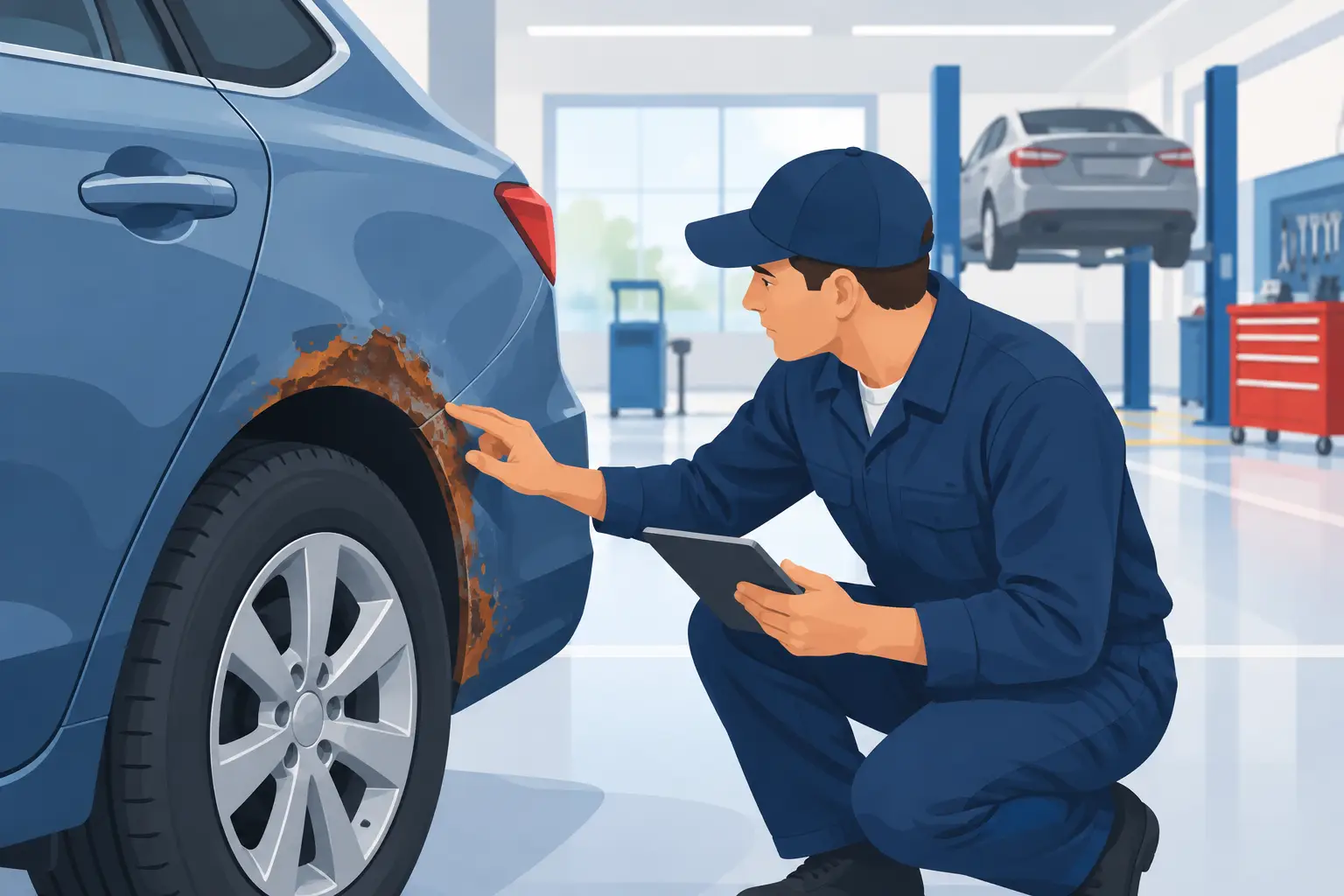
When Rust Repair Calls for a Professional Body Shop
A small rust spot near a wheel well can look like a cosmetic problem. Then a few months of New Jersey rain, road salt, and freezing temperatures turn it into peeling paint, a soft metal edge, or a hole in the panel. Timely rust repair is about more than restoring your vehicle’s appearance. It helps protect the metal, preserve resale value, and prevent corrosion from spreading into areas that are more difficult and expensive to repair.
For drivers in Westfield and surrounding communities, rust often starts quietly. It may appear after a scrape, a paint chip, a dent that cracked the finish, or years of winter driving. The best time to address it is before the damage reaches bare metal underneath the paint.
Why Rust Spreads Faster Than Most Drivers Expect
Rust forms when exposed steel reacts with oxygen and moisture. Once a vehicle’s paint and protective coatings are damaged, water can reach the metal. Salt speeds up that process, which is why wheel wells, rocker panels, lower doors, trunk seams, hoods, and the underside of a vehicle deserve extra attention after winter.
The visible orange or brown area is not always the full story. Corrosion can travel under the paint, causing bubbles around the original spot. By the time paint is lifting, the metal beneath it may already be weakened. A proper inspection determines whether the rust is limited to the surface or has moved deeper into the panel.
That distinction matters. Surface corrosion can often be removed and refinished effectively. Advanced corrosion may require cutting out damaged metal, repairing the affected area, or replacing a panel to restore a durable and clean result.
Surface Rust vs. Structural Rust Repair
Not all rust damage carries the same risk. A small spot on a door or fender is frustrating, but it may be primarily an appearance issue if treated early. Rust on a structural component, suspension mounting point, frame area, or heavily corroded rocker panel can be a safety concern.
Surface rust
Surface rust usually begins with a scratch, stone chip, or shallow paint failure. The metal is still solid, and the damage has not created holes or severe flaking. Repair may involve removing corrosion, preparing the surface, applying protective materials, color matching the paint, and refinishing the panel. Done correctly, this process stops the exposed metal from continuing to oxidize.
A quick touch-up can help with a very small chip, but it is not always a lasting fix. If corrosion remains below the paint edge or the surface is not sealed properly, the spot can return. Professional preparation is especially worthwhile on visible panels where a poor match or uneven finish will stand out.
Penetrating or perforated rust
When rust has eaten through metal, you may notice holes, crumbling edges, loose paint, or a panel that feels soft when pressed. Covering this damage with filler and paint without addressing the weakened metal is not a real repair. The corrosion will continue beneath the surface.
Depending on the location and extent of the damage, a body shop may remove the affected section and repair it with sound metal, or recommend panel replacement. The right option depends on safety, repair cost, parts availability, and whether the remaining panel is still in good condition.
Structural corrosion
Rust near the frame, subframe, suspension attachment points, seat belt anchors, or other load-bearing areas needs immediate professional attention. These components help protect occupants and keep the vehicle handling as designed. Do not assume that an undercoating or paint application can correct metal that has already lost strength.
If you see heavy scaling underneath your car, hear unusual rattling, or notice a section of underbody metal breaking away, schedule an inspection before relying on the vehicle for regular commuting or family travel.
Signs It Is Time to Schedule Rust Repair
Rust does not always announce itself with a large hole. Watch for paint bubbles, discoloration around panel seams, flaking paint near wheel openings, rough brown spots along door bottoms, or water collecting in the trunk or floor area. A musty odor inside the vehicle can also point to moisture intrusion that may lead to hidden corrosion.
Pay attention after a collision, even a minor one. A dented bumper, scraped quarter panel, or damaged fender liner can expose metal or let moisture reach areas that were previously protected. Collision repairs should restore both the finish you see and the protective layers behind it.
It also makes sense to inspect rust before buying a used vehicle, preparing a lease return, selling your car, or taking a long road trip. A clear assessment gives you the information needed to decide whether repair is practical now or whether more extensive work should be planned.
What Professional Rust Repair Should Include
A durable repair is a process, not just a coat of paint over a stain. First, technicians inspect the affected area and surrounding panels to identify how far the corrosion has traveled. They remove loose rust, compromised paint, and damaged material until they reach stable metal.
From there, the repair method depends on the condition of the panel. Sound metal can be treated, prepared, and sealed. If corrosion has caused a hole or weakened an edge, the damaged area may need metal repair or replacement. The surface is then shaped, primed, painted, and refinished to blend with the surrounding color.
The final protection matters just as much as the visible finish. Proper primers, sealers, and corrosion-resistant coatings help prevent moisture from getting back into the repair area. On lower body sections and wheel wells, restoring liners, splash shields, and factory-style protective coatings can be essential to keeping road debris and salt away from the metal.
At Kings Auto Body Shop, certified technicians can inspect collision-related corrosion and visible rust damage, explain the condition in straightforward terms, and provide a free same-day estimate when possible. You should know what needs attention, why it matters, and what repair approach is being recommended before work begins.
Can You Handle Rust Repair Yourself?
For a fresh, pin-sized paint chip with no bubbling or flaking, a careful touch-up may be reasonable. Clean the area, make sure it is completely dry, and address it promptly. This can reduce the chance of moisture reaching bare metal.
DIY work becomes risky when rust is larger than a small chip, sits at a panel seam, appears around a wheel well, or has caused bubbling and soft metal. Sanding only what is visible may leave active corrosion behind. Spray paint may also fail to match the vehicle’s color or provide the layered protection needed for a long-lasting repair.
There is also a practical cost question. A small repair completed early is often more affordable than waiting until corrosion reaches multiple panels. If you are unsure how deep the damage goes, an estimate can prevent guesswork and help you make a confident decision.
How to Slow Down Future Corrosion
No vehicle is completely immune to rust, but regular care makes a real difference. Wash your vehicle after winter storms and road-salt exposure, including the wheel wells and underbody when possible. Clear leaves and debris from cowl areas, trunk channels, and door drains so moisture does not stay trapped.
Repair paint chips, scrapes, and collision damage promptly. Keep an eye on rocker panels and lower door edges, especially if you park outside or drive frequently on treated winter roads. If your vehicle has underbody shields or fender liners that come loose after an impact, have them reattached or replaced so they can continue protecting vulnerable areas.
A clean, polished exterior is not only about appearance. It gives you a better chance of spotting small paint damage before it becomes a larger rust problem.
Rust does not get better with time, but it can be stopped with the right repair plan. If you have noticed bubbles, flaking paint, or corrosion underneath your vehicle, bring it in for a clear assessment and restore your vehicle’s condition before a small spot becomes a major repair.