Collision Mechanical Repair: What Your Car Needs
A collision can leave damage that is easy to see, such as a cracked bumper or scraped door. It can also affect the parts that keep your vehicle steering straight, stopping safely, and driving smoothly. That is why collision mechanical repair deserves the same attention as paint and bodywork after an accident.
For drivers in Westfield, Elizabeth, Newark, and nearby New Jersey communities, a car is often essential for work, school, errands, and family plans. Getting it back quickly matters. Getting it back safe matters more. A proper repair should restore the vehicle’s appearance, mechanical function, and structural integrity, not simply make the damage less visible.
What Collision Mechanical Repair Covers
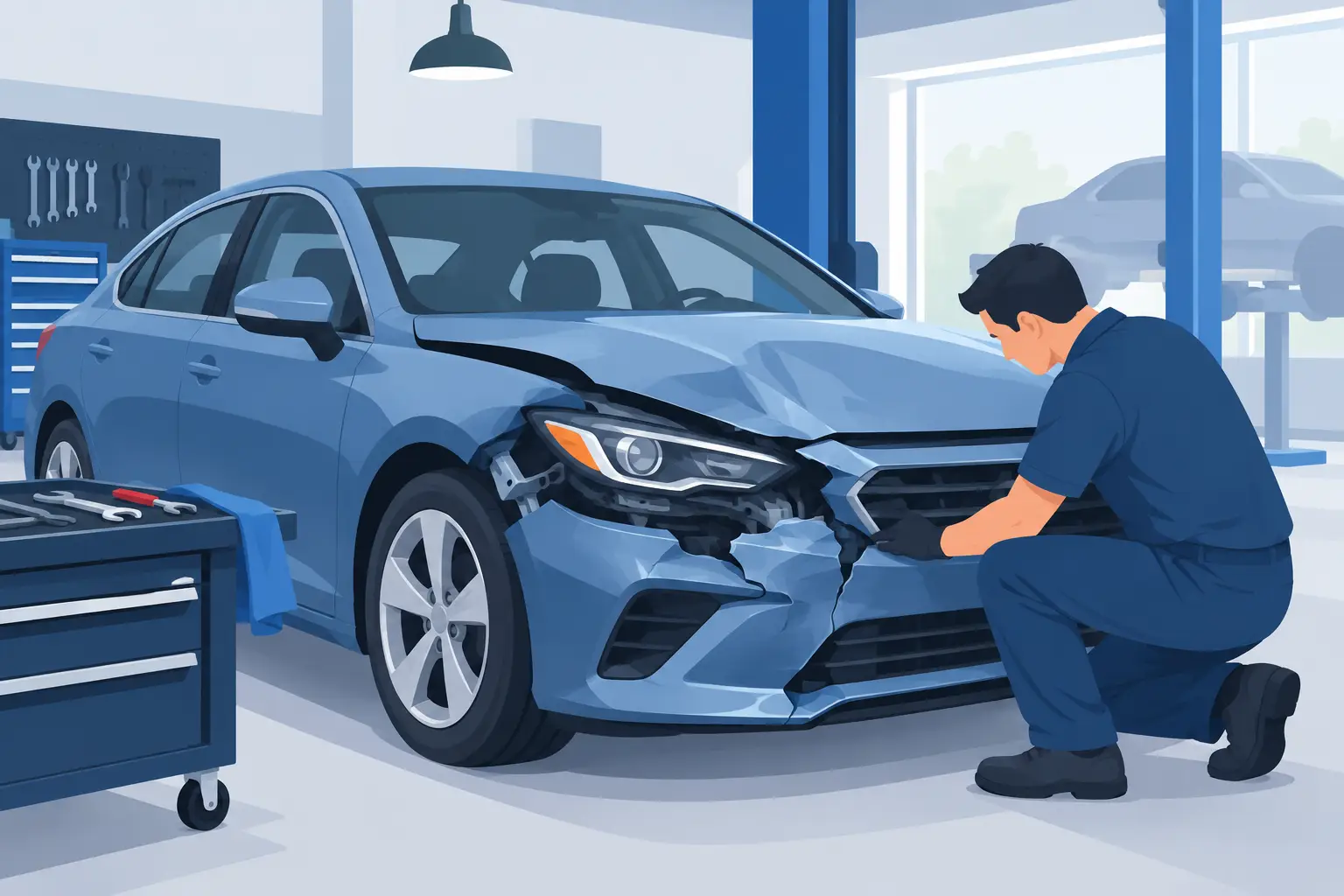
Mechanical collision damage occurs when impact force travels beyond exterior panels. Even a low-speed fender bender can shift components behind the bumper, knock a wheel out of alignment, damage a sensor, or stress a suspension part. Major crashes can affect the frame, drivetrain, cooling system, steering system, and safety equipment.
Collision mechanical repair is the process of inspecting and correcting those hidden concerns after impact. The exact work depends on where the vehicle was hit, how hard it was hit, the vehicle’s age and design, and whether it has modern driver-assistance features. Two cars with similar bumper damage may need very different repairs underneath.
A qualified collision shop looks at the full picture. That includes the body panels and paint, but it also includes the systems that control handling, braking, visibility, engine temperature, and occupant protection. Repair decisions should be based on a careful inspection, manufacturer procedures, and the condition of the vehicle, not guesses made from the parking lot.
Damage That Can Hide Behind a Good-Looking Exterior
A bumper is designed to absorb a degree of impact, which is helpful in a minor accident. But the cover you see is only one part of the assembly. Behind it may be reinforcement bars, absorbers, brackets, wiring, sensors, headlights, radiator supports, and cooling components.
A vehicle may seem drivable after a collision and still have a problem worth addressing. A slight pull in the steering wheel, a new vibration at highway speed, a warning light, or a tire that wears unevenly can point to damage that is not cosmetic. Waiting can turn a manageable repair into additional tire, suspension, or safety-system costs.
Common issues found during post-collision inspections include:
- Bent or worn suspension and steering components
- Wheel alignment changes and damaged wheels or tires
- Leaks from radiators, hoses, condensers, or fluid reservoirs
- Broken headlight mounts, fog lights, wiring, or electrical connections
- Damaged bumper supports, sensors, cameras, or parking-assist equipment
- Frame or unibody movement that affects fit, handling, and crash protection
Not every accident causes every type of damage. A rear impact, for example, may require attention to trunk structure, rear suspension, exhaust components, and backup-camera systems. A front-end crash may involve cooling parts, headlights, steering, alignment, and sensors. The inspection should follow the damage, not a one-size-fits-all checklist.
Why Frame and Suspension Accuracy Matter
Your vehicle’s frame or unibody is the foundation for the rest of the car. When it is bent or shifted, doors may not close correctly, panels may have uneven gaps, and the vehicle may not track properly on the road. More importantly, the structure may not manage impact forces as intended in a future collision.
Professional frame straightening uses measuring equipment and controlled pulling methods to bring the structure back within proper specifications. This is precision work. Pulling a damaged area without accurate measurements can create more problems, which is why heavy collision repairs require trained technicians and the right equipment.
Suspension repairs are equally important. Struts, control arms, tie rods, ball joints, wheel bearings, and related parts help keep tires planted and the steering responsive. When one of these components is bent or compromised, a simple alignment alone may not solve the issue. The damaged part needs to be identified and repaired or replaced before final alignment is performed.
Modern Vehicles Need More Than a Visual Check
Many vehicles now have advanced safety features built into bumpers, windshields, mirrors, grilles, and front-end panels. Depending on the model, these systems can include blind-spot monitoring, forward collision warning, automatic emergency braking, lane assistance, parking sensors, and backup cameras.
After a collision, a sensor can be slightly out of position even when there is no obvious exterior damage. That can affect how accurately the system reads the road, nearby vehicles, or parking obstacles. Proper repair may involve diagnostic scanning, component replacement, aiming, and calibration according to vehicle requirements.
This is one reason the lowest estimate is not always the best value. A repair that overlooks a damaged bracket, skips a needed scan, or installs a part that does not fit correctly can leave you with warning lights, poor performance, or safety features that do not operate as they should. Honest collision repair means explaining what the vehicle needs and why.
What to Expect From the Repair Process
The best repair experience begins with clear communication. First, the shop documents visible damage and checks the vehicle for structural, mechanical, and safety-related concerns. A free same-day estimate can help you understand the initial scope, although hidden damage may only become visible once exterior parts are removed.
If the vehicle is not safe to drive, responsive towing to the repair facility can prevent further damage and take one problem off your plate. From there, the repair plan may include disassembly, measurements, mechanical repairs, parts replacement, body repair, paint matching, refinishing, reassembly, and final quality checks.
Insurance coordination is often part of the process. You have enough to handle after an accident, so a shop that works with all insurance companies can help make estimates, documentation, and repair discussions easier to manage. The goal is not to rush through the work. It is to keep the process moving while protecting the quality of the finished repair.
At Kings Auto Body Shop, certified technicians combine advanced repair technology with the personal attention expected from a family-owned local business. Whether the damage is a small bumper impact or a major collision, the focus stays on returning your vehicle in safe, clean, roadworthy condition.
When Should You Schedule an Inspection?
Schedule an inspection as soon as possible after any accident, especially if you notice changes in the way your vehicle drives. You should not ignore a steering pull, vibration, fluid leak, warning light, loose bumper, tire damage, rubbing noise, crooked steering wheel, or headlight that no longer sits correctly.
It is also smart to have the car checked after a seemingly minor impact if another vehicle struck a wheel, the front or rear bumper took the hit, or an airbag deployed. Some damage becomes more noticeable over time, but early inspection gives you a clearer repair path before normal driving adds wear to affected parts.
There is a practical balance to consider. Older vehicles with extensive damage may require a conversation about repair cost, replacement parts, and overall vehicle value. A reputable shop should be straightforward about those factors, explain available options, and never pressure you into work that does not make sense for your situation.
A collision should not leave you wondering whether your car is truly safe for the next commute, school drop-off, or weekend trip. Get the vehicle inspected, ask clear questions about the repair plan, and choose technicians who treat mechanical safety and finish quality with equal care. That confidence is worth bringing back to every mile you drive.