
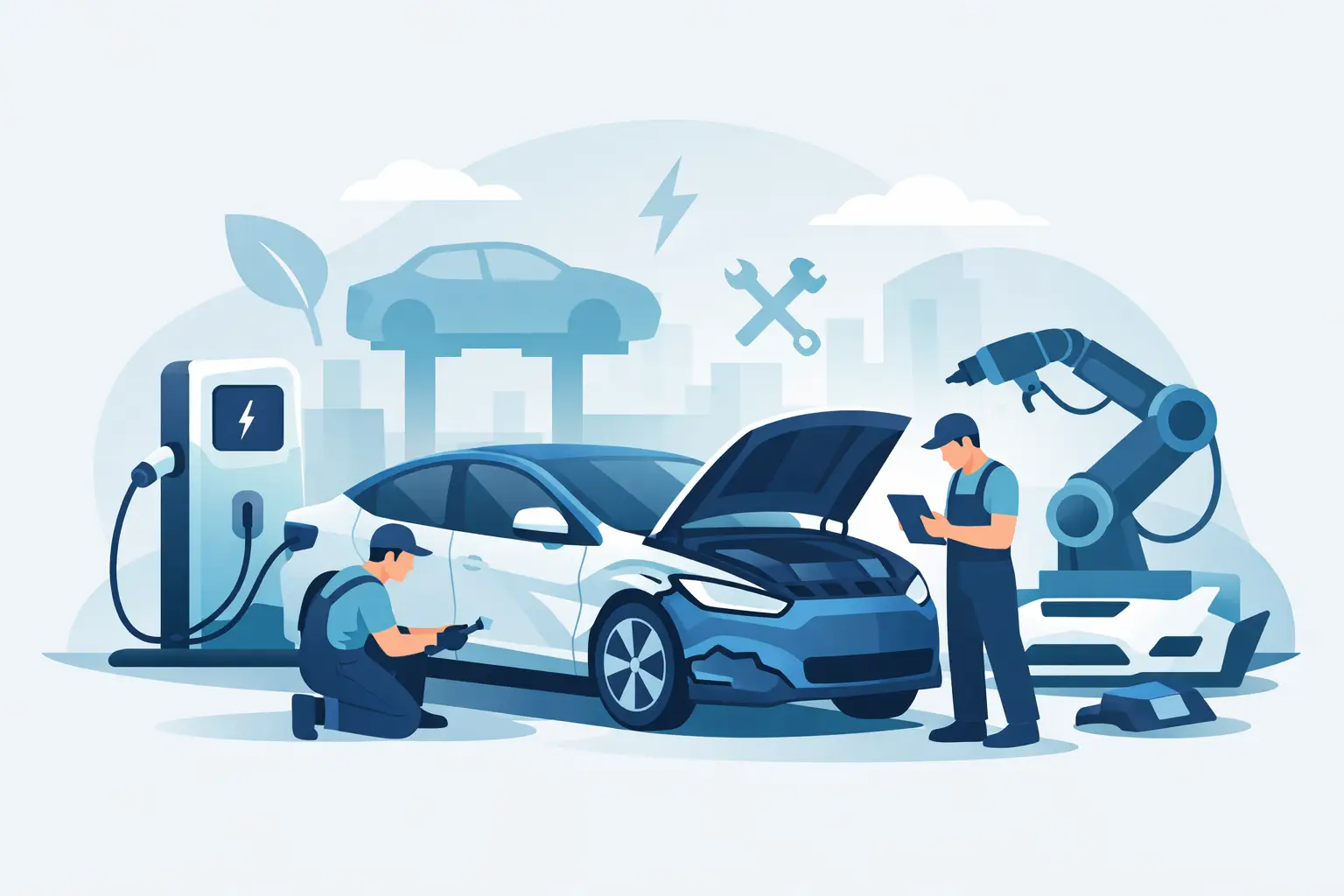
Electric Vehicle Collision Repairs Done the Right Way
A low-speed impact can leave an electric vehicle looking like it only needs a bumper repair. What cannot be seen at a glance may matter just as much: damaged sensors, compromised charging components, cooling-system issues, or a battery enclosure that needs a careful inspection. Electric vehicle collision repairs are not simply conventional bodywork with a different badge on the hood. They require a repair plan that protects the vehicle’s safety systems, driving range, finish, and value.
For drivers in Westfield and surrounding New Jersey communities, the goal after an accident is straightforward: get your vehicle back safely, correctly, and without being left in the dark about what happens next. That starts with a shop that treats every estimate as more than a quick look at visible dents.
Why Electric Vehicle Collision Repairs Need a Different Process
Electric vehicles still have many familiar collision-repair needs. A damaged fender, cracked bumper cover, broken glass, bent frame rail, or scraped door panel needs the same attention to fit, alignment, paint quality, and corrosion protection as any other vehicle. But the systems behind those panels can change the repair approach.
High-voltage batteries, electrical wiring, power electronics, charging equipment, and thermal-management components all need to be considered after an impact. Even when the battery pack itself is not visibly damaged, a technician may need to inspect the surrounding structure, underbody panels, cables, connectors, and cooling lines before repair work moves forward.
Modern EVs also rely heavily on cameras, radar, ultrasonic sensors, and driver-assistance features. A bumper that looks properly reattached but has a sensor mounted a few millimeters out of position is not a finished repair. Depending on the vehicle and damage, calibrating those systems may be necessary to help features such as parking assistance, lane support, collision warnings, and adaptive cruise control operate as intended.
That is why the right process is never just “pull the dent and paint the panel.” A complete repair begins with a thorough damage assessment and follows the vehicle manufacturer’s repair procedures where applicable.
What Happens After an EV Accident
The first priority is safety. If your EV has severe underbody damage, a warning message, smoke, unusual heat, leaking fluid, a damaged charging port, or an electrical odor, do not attempt to charge or drive it. Move away from the vehicle if it is safe to do so, call emergency services when needed, and arrange professional towing. An EV involved in a heavy collision should be handled with care before anyone begins disassembly.
For less severe damage, photographs and a free estimate can help establish the visible scope of the repair. Still, the initial estimate may change after the vehicle is taken apart. This is common with all collision work, but it is especially relevant for EVs because hidden damage behind a bumper, wheel, or lower body panel can affect mounts, sensors, wiring, cooling components, and structural parts.
A proper repair plan generally includes a visual inspection, diagnostic scanning when appropriate, measured structural checks, parts identification, and a review of paint and refinishing needs. The shop should explain what was found, what requires immediate attention, and whether additional work is needed once hidden areas are accessible. Clear communication helps prevent the surprise of learning about necessary supplemental repairs after work has already started.
The Areas That Deserve Extra Attention
Battery and underbody protection
The battery pack is typically mounted low in the vehicle, where it can be exposed in an underbody impact. A curb strike, road debris event, or collision near the rocker panels can require inspection even if the exterior damage appears minor. Technicians need to look for damage to shields, mounting points, enclosure areas, nearby suspension components, and high-voltage connections.
This does not mean every small scrape leads to battery replacement. It means the condition should be evaluated rather than guessed. Repair decisions depend on the location and severity of the impact, the vehicle manufacturer’s procedures, diagnostic findings, and the condition of related parts.
Structural alignment
EVs can be heavy because of their battery systems, and that weight affects how impact forces move through the vehicle. Frame and unibody measurements matter. If the structure is even slightly out of specification, panels may not fit correctly, suspension alignment can be affected, and crash-energy management may not perform as designed in a future accident.
Advanced measuring equipment and frame-straightening capability are essential when structural damage is present. Cosmetic repairs should never hide a structural problem.
Sensors, cameras, and lighting
A repaired bumper may contain several pieces of technology. Camera brackets, radar units, wiring harnesses, parking sensors, and headlight components must be handled precisely. After replacement or repair, some vehicles require calibration and verification steps. Skipping them can leave a driver-assistance feature unavailable, inaccurate, or displaying persistent warnings.
Headlights deserve the same attention. A cracked lens, broken mounting tab, or shifted headlamp can affect nighttime visibility and vehicle appearance. Proper replacement, aiming, and panel fit make a difference every time you drive after dark.
Paint, color matching, and corrosion protection
Electric vehicle repairs should look as good as they function. Paint color can vary across model years, factory batches, and sun exposure, making professional color matching important. The right refinishing process includes surface preparation, durable materials, proper curing, and careful blending when needed so the repaired area does not stand out in the parking lot or your driveway.
Underbody coatings, seam sealers, and corrosion protection should also be restored when collision repairs disturb factory-applied materials. New Jersey weather brings rain, road salt, and temperature swings. A clean-looking repair is not enough if the repaired area is left vulnerable underneath.
Choosing a Shop for Your EV Repair
When comparing repair shops, ask direct questions. Does the shop inspect for hidden damage? Can it handle structural measurements, mechanical repair, glass or parts replacement, refinishing, and sensor-related repair needs? Will it communicate with your insurance company and explain supplements before proceeding? If towing is needed, can the vehicle be brought in safely and promptly?
You should also expect a shop to be honest about the limits of a repair. Some EV damage requires specialty parts, manufacturer-directed procedures, or additional time for diagnostics and calibration. Fast service matters, especially when your vehicle is part of your daily commute, but speed should not come at the expense of safety checks or finish quality.
At Kings Auto Body Shop, the focus is on making the process less stressful for local drivers. From responsive towing and same-day estimates to collision repair, frame work, paint matching, glass replacement, and insurance coordination, every step should be handled with the care you would want for your own family vehicle.
Insurance Questions After an EV Collision
Insurance claims can feel complicated when you are already arranging transportation and trying to understand the damage. Start the claim promptly, save photos from the accident scene, and keep records of towing, estimates, and communication. Your insurance company may inspect the vehicle or ask for an estimate, but you can still ask questions about the repair process and the parts being used.
If additional damage is found during disassembly, the repair facility can document it and submit a supplement to the insurer. This is not automatically a sign that something went wrong. Hidden damage is a normal reality of collision repair, particularly when impact forces affect areas behind exterior panels.
Ask whether replacement parts are original equipment, aftermarket, recycled, or reconditioned when that choice applies. The best option depends on availability, insurance coverage, the component involved, and the vehicle manufacturer’s repair requirements. Safety-related parts, sensor mounts, structural components, and high-voltage-related hardware deserve especially careful consideration.
Do Not Wait on Warning Signs
After an accident, do not ignore new alerts on the dashboard, changes in charging behavior, unusual noises, pulling while driving, water intrusion, or a bumper or underbody panel that is hanging loose. A vehicle may remain drivable while still needing prompt attention. Continuing to drive with damaged components can turn a manageable repair into a larger problem.
A careful inspection gives you answers before minor damage becomes an avoidable safety concern. Schedule your repair promptly, bring your estimate questions, and make sure your EV is returned to the road with its condition, appearance, and essential systems given the attention they deserve.