
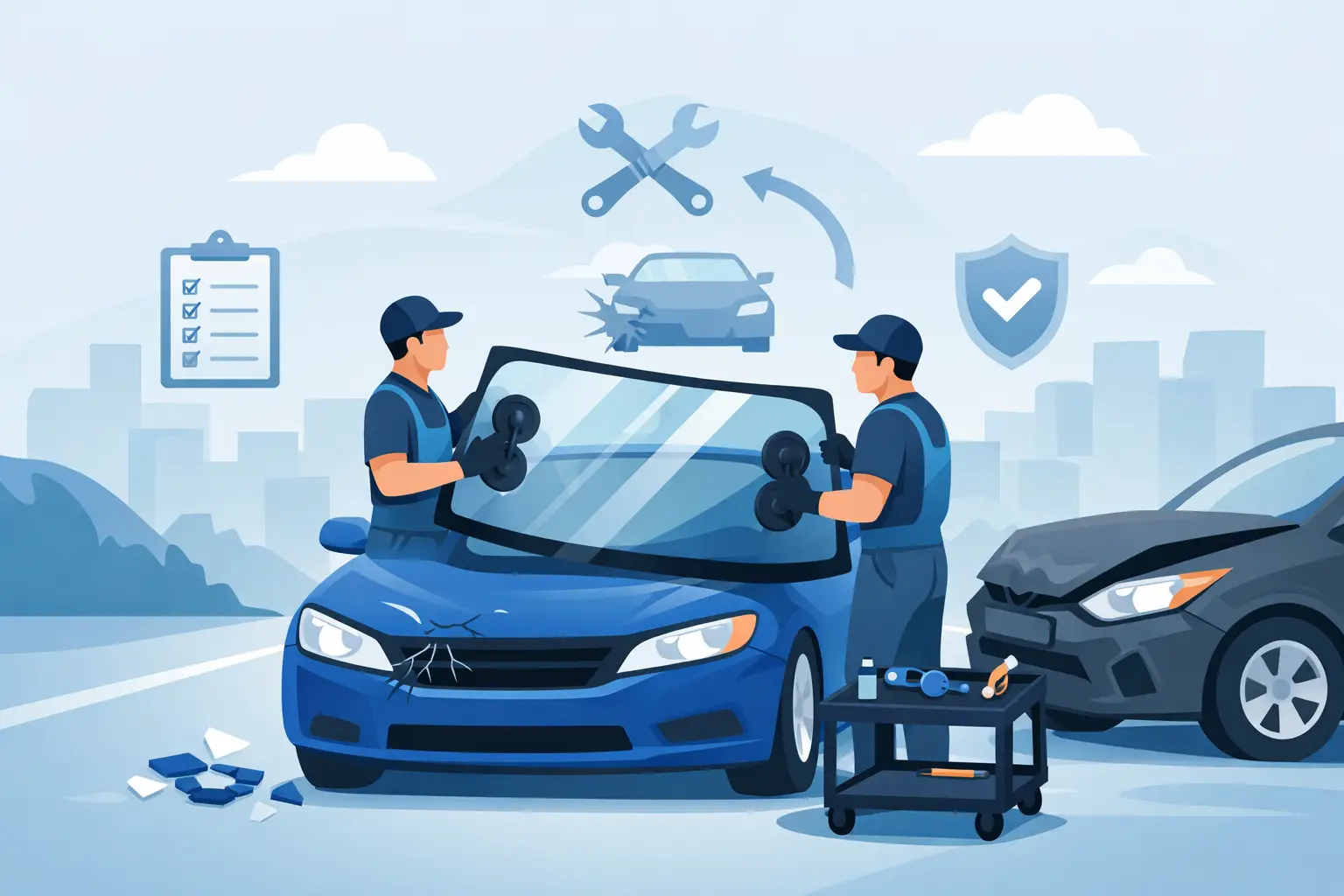
Windshield Replacement After Collision: Next Steps
A collision can leave your vehicle looking mostly fine while hiding damage that affects every mile you drive. Windshield replacement after collision is not only about clearing away cracked glass. It is about restoring the visibility, cabin protection, and safety-system support your vehicle needs before it returns to the road.
A small crack may seem manageable when you are trying to get to work, pick up the kids, or handle the insurance process. But collision damage can spread quickly, especially with New Jersey temperature changes, road vibration, and everyday driving. The right next step depends on where the damage is, how severe it is, and whether the glass supports advanced safety equipment.
When a Windshield Needs Replacement After a Collision
Windshields do far more than block wind and rain. They help support the roof during a rollover, keep occupants inside the vehicle during a major impact, and provide a stable mounting surface for airbags. On many newer vehicles, the windshield also works with cameras and sensors used for lane departure warnings, automatic emergency braking, adaptive cruise control, and other driver-assistance features.
Replacement is usually the safer choice when a collision causes a crack that reaches the edge of the glass, multiple cracks, deep chips, shattered layers, or damage directly in the driver’s line of sight. A crack near the edge can weaken the windshield’s overall structure, even if it does not look dramatic. Damage near the windshield frame also deserves a close inspection because an impact can affect the surrounding metal, molding, seals, and mounting area.
A repair may be possible for a small, isolated chip that has not penetrated deeply or spread. Still, repair is not always the right answer just because it costs less. If the damage is in a critical viewing area or interferes with a forward-facing camera, replacing the glass may provide the safer and more reliable result.
Do Not Assume the Windshield Is the Only Damage
Front-end collisions often damage more than the glass itself. A hard impact can shift panels, bend the windshield frame, damage the cowl area beneath the glass, or affect the roof rails. Rear and side impacts can also create stress that causes a windshield crack to grow later.
That is why a visual check from the outside is only the starting point. A proper collision assessment should look at the glass, body panels, frame alignment, weather seals, mirrors, cameras, and related mechanical components. Installing a new windshield over an uncorrected structural issue can lead to poor fitment, wind noise, water leaks, or repeat glass damage.
At Kings Auto Body Shop, collision and glass concerns can be evaluated as part of the same repair process. That helps prevent the frustrating situation of fixing one visible issue while another accident-related problem appears days later.
Warning Signs You Should Address Right Away
Do not keep driving without an inspection if you notice a spreading crack, loose windshield trim, water entering the cabin, distorted vision through the glass, or a warning light related to safety cameras and sensors. These signs can point to a problem beyond a simple chip.
Use extra caution if the windshield is shattered, pushed inward, or separated from its frame. In that situation, the vehicle may not be safe to drive. Responsive towing to a repair facility can protect you from further damage and remove the stress of deciding whether the car can make it there safely.
Why Proper Installation Matters as Much as the Glass
A replacement windshield should fit precisely and be installed using the correct materials and procedures for the vehicle. The adhesive that bonds the glass to the frame is a safety component, not just a sealant. It needs proper surface preparation, the right application method, and enough curing time before the vehicle is driven.
Rushing this step can create problems that may not be obvious at first. Water leaks, air noise, loose molding, poor camera performance, and reduced protection during another collision are all possible risks of improper installation. A quality repair also means inspecting the pinchweld, the metal channel where the windshield bonds to the vehicle, for corrosion, collision distortion, or old adhesive that needs to be addressed.
There is a practical trade-off here. A quick low-price installation can be tempting after an accident, particularly when you are already dealing with missed work or an insurance deductible. Yet the windshield is a major safety component. Choosing experienced technicians and correct installation practices is worth more than saving a little money on a repair that may need to be redone.
Camera Calibration May Be Required
If your vehicle has a camera mounted near the rearview mirror, a new windshield may require calibration after installation. This process helps the vehicle’s safety systems correctly interpret the road ahead. Depending on the make and model, calibration may be static, dynamic, or both.
Static calibration is performed in a controlled setup using specialized targets and equipment. Dynamic calibration requires driving the vehicle under specific conditions so the system can relearn its reference points. The exact requirements vary by manufacturer, which is why a one-size-fits-all approach does not work.
Skipping calibration can leave systems such as lane-keeping assistance or forward collision alerts operating inaccurately. Sometimes a dashboard warning appears immediately. Other times, there is no obvious warning, which makes professional verification even more valuable. After collision repairs and windshield replacement, make sure the vehicle’s safety features are checked before you rely on them on busy roads around Westfield, Elizabeth, Newark, or anywhere else your commute takes you.
What to Expect From the Repair Process
The process should be straightforward, even when the accident itself was not. It begins with an inspection and estimate that identifies visible glass damage as well as related collision repairs. If your insurer is involved, documentation of the damage and repair plan can help keep the claim moving in the right direction.
Next, the damaged windshield is carefully removed, the surrounding area is inspected and prepared, and the replacement glass is installed to the proper specifications. If body or frame work is needed, that work should be handled in the right order so the windshield has a stable, correctly aligned opening.
After installation, technicians check fit, seals, trim, and any applicable camera or sensor calibration. You should also receive clear guidance on safe drive-away time. Adhesive curing is affected by the products used, temperature, humidity, and vehicle requirements, so there is no responsible universal answer such as “drive immediately” or “wait exactly one hour.” Follow the instructions provided for your specific repair.
Insurance, Cost, and Your Options
Collision coverage or comprehensive coverage may help pay for windshield damage, depending on how the accident occurred and the details of your policy. A collision with another vehicle is often handled differently from a cracked windshield caused by flying road debris. Your deductible, glass coverage, and insurer’s claim requirements all affect your out-of-pocket cost.
You do not have to become an insurance expert overnight. A reputable local collision shop can provide a clear estimate, document the damage, and work with insurance companies while keeping you informed. Ask whether the estimate includes related body repairs, moldings, materials, sensor calibration, taxes, and any necessary towing. Clear answers up front make it easier to avoid surprises later.
If you are paying out of pocket, ask about the quality and fit of the replacement glass, not just the bottom-line price. Original-equipment and equivalent replacement options can differ by vehicle and availability. The best choice depends on manufacturer requirements, safety technology, your insurance coverage, and the condition of the rest of the vehicle.
Protect Your New Windshield After Service
For the first day or two, avoid slamming doors if possible, high-pressure car washes, and removing retention tape unless instructed otherwise. Keep the dashboard area clear and watch for moisture around the edges after heavy rain. If you notice wind noise, leaks, loose trim, or an alert related to a camera system, contact the repair facility promptly rather than waiting for the issue to get worse.
After an accident, you deserve more than a vehicle that simply looks repaired. You deserve clear visibility, properly functioning safety features, and the confidence that the glass and structure are ready for the road ahead. Schedule a professional inspection promptly, get a clear estimate, and give your windshield the same careful attention you would give any other critical collision repair.