Vehicle Panel Repair Guide for Collision Damage
A damaged door, fender, quarter panel, or bumper can make a vehicle look worse than the accident felt. But appearance is only part of the concern. This vehicle panel repair guide explains what happens after impact damage, why a proper inspection matters, and how trained auto body technicians restore the fit, finish, and safety of your vehicle.
For drivers in Westfield, Elizabeth, Newark, and surrounding New Jersey communities, the right repair starts with an honest look at the damage. A small parking-lot dent may need a straightforward repair. A panel that looks only slightly bent may also have hidden damage behind it, including broken mounting points, damaged reinforcements, or misaligned parts.
What Vehicle Panel Damage Can Affect
Vehicle panels are designed to protect the vehicle while creating a clean, finished exterior. Depending on the area and severity of the impact, damage can affect more than a single piece of sheet metal or plastic. A dented front fender may interfere with door clearance. A bumper pushed out of place may have damaged brackets, sensors, or energy-absorbing material behind the cover.
Modern vehicles are built with carefully engineered crumple zones, structural components, cameras, radar sensors, wiring, and safety systems. That is why a quick visual inspection alone is not enough after many collisions. The panel may be the obvious problem, but the repair plan must account for what sits behind it.
Common panel-related collision damage includes dents, creases, scratches, cracked paint, torn bumper covers, loose trim, bent mounting tabs, rust-prone exposed metal, and misaligned gaps between body panels. On higher-impact repairs, technicians may also find damage to the radiator support, inner fender, wheel well, door shell, frame or unibody structure.
Vehicle Panel Repair Guide: Repair or Replace?
The best choice depends on the panel material, the location of the damage, and whether the part can be restored without compromising strength, fit, or finish. Repairing a panel is often a practical option when the damage is limited and the metal or plastic can be reshaped correctly. Replacing it may be the safer, more cost-effective solution when it is severely creased, cracked, stretched, rusted, or damaged near a critical mounting area.
For example, a shallow dent in a steel door may be repaired through careful metal shaping and refinishing. A cracked plastic bumper cover can sometimes be repaired, depending on the type and location of the crack. However, a bumper with major tearing, broken tabs, damaged sensor mounts, or a poor fit after impact may need replacement.
A good repair shop does not recommend replacement simply because it is easier. It also should not force a repair when replacement is necessary for proper fit, durability, or safety. The right decision comes from a complete damage assessment, not a guess made from a photo or a quick look in the driveway.
Hidden Damage Changes the Repair Plan
Panel damage can hide problems that are only visible once the vehicle is disassembled. A rear bumper impact, for instance, can damage the reinforcement bar, foam absorber, trunk floor, parking sensors, wiring, or rear body panel. A side collision can affect door hinges, window regulators, side-impact protection, and alignment between the door and adjacent panels.
This is normal in collision repair. An initial estimate identifies visible damage, while disassembly allows the shop to document additional damage and create an accurate repair plan. Clear communication at this stage helps avoid surprises and ensures that insurance paperwork reflects the work the vehicle actually needs.
How a Professional Panel Repair Is Performed
Quality panel repair is a process, not a quick cover-up. First, the technician inspects the damaged area and measures panel gaps, mounting points, and surrounding components. If there is any concern about structural damage, the vehicle may be checked with specialized measuring equipment before exterior repair begins.
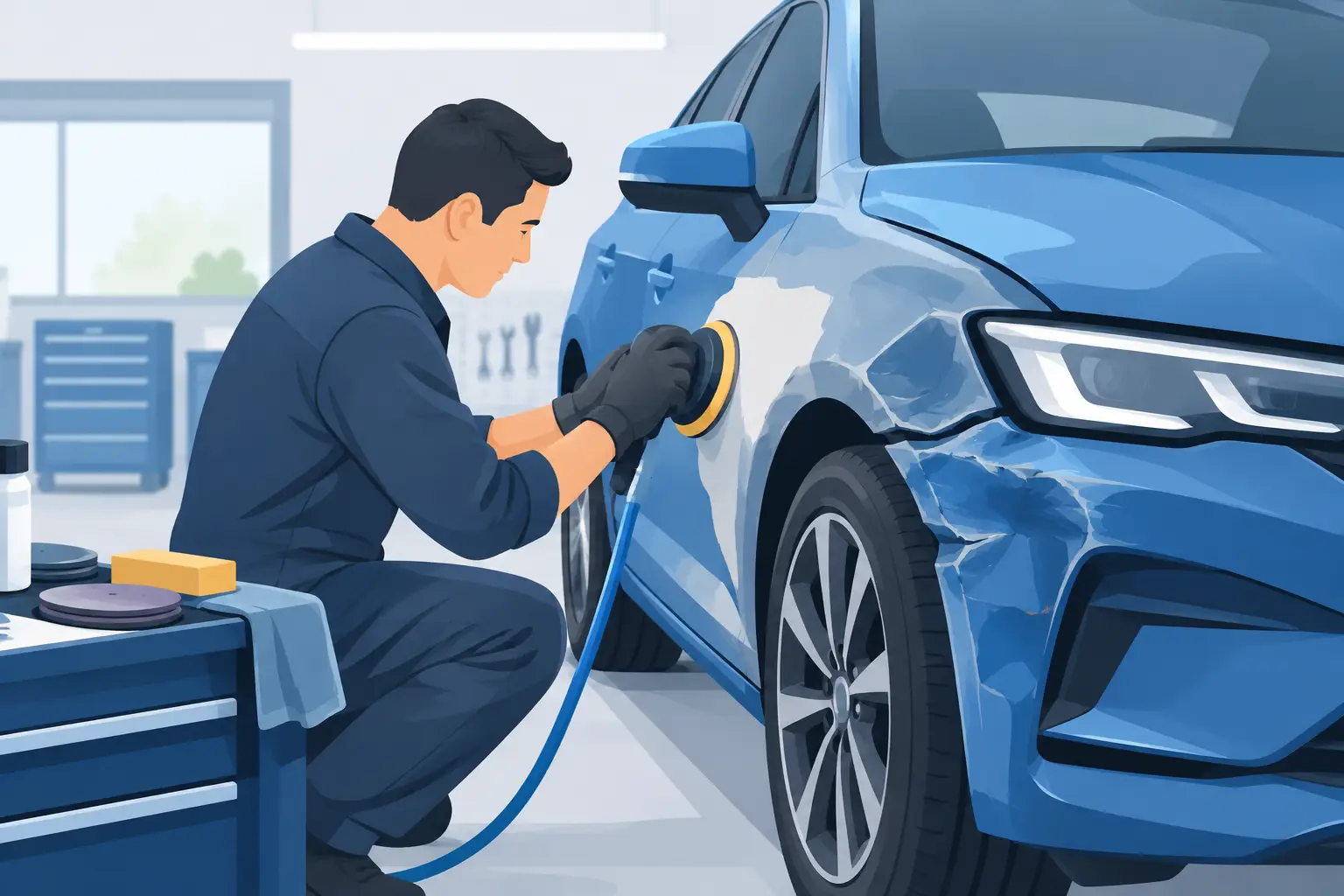
The damaged panel is then removed or accessed as needed. Technicians reshape repairable metal using controlled methods that preserve as much of the original panel as possible. Plastic components require different techniques because heat, flexibility, cracking, and material type all affect how the repair holds up over time.
After the panel is restored to its correct contour, the surface is prepared for refinishing. This can include sanding, corrosion protection, primer, careful surface leveling, and masking of nearby areas. Rushing this work is one reason some repairs later show sanding marks, peeling paint, uneven texture, or color differences.
The paint process matters just as much as the dent repair. Technicians use computerized color matching and blend color into adjacent panels when needed to create a natural appearance. Vehicle paint changes over time because of sunlight, weather, and previous repairs, so matching the factory color code alone may not produce the best result. A proper refinish should look consistent in daylight, shade, and under shop lighting.
Why Panel Alignment Matters
Clean panel gaps are not just cosmetic. A hood, door, fender, or trunk lid that sits unevenly can create wind noise, water leaks, rubbing, poor latch operation, or premature wear. On vehicles with advanced driver-assistance systems, improper bumper or grille alignment may also affect sensor placement.
After repairs are complete, technicians check that doors open and latch properly, bumpers are secure, trim fits tightly, lights are seated correctly, and repaired panels align with the rest of the vehicle. If glass, mirrors, lamps, sensors, or cameras were affected, they may need additional inspection, replacement, calibration, or testing.
This attention to detail is especially valuable after an accident that seemed minor. A bumper that is hanging slightly loose or a fender edge that rubs a tire should never be ignored. These issues can worsen quickly, and they may point to damage beneath the surface.
What to Do After a Dent or Collision
If your vehicle is safe to drive, take clear photos of the damaged area and note any changes in steering, braking, lights, warning messages, tire clearance, or door operation. Do not try to force a loose bumper back into place with tape if it is blocking a light, rubbing a tire, or exposing sharp edges. If the vehicle has fluid leaks, deployed airbags, wheel damage, or steering concerns, arrange towing instead.
You can usually begin an insurance claim with your carrier, but you are not required to let an insurer choose the repair shop for you. Ask for a detailed estimate and make sure the shop explains whether the damage is cosmetic, structural, or related to sensors and safety equipment. A free same-day estimate can give you a clear starting point without pressure.
At Kings Auto Body Shop, certified technicians inspect collision damage with the same care whether it is a minor door ding or a major impact repair. The goal is not simply to make the panel look better. It is to return your vehicle with proper alignment, durable paintwork, reliable operation, and the road-ready condition your family depends on.
Do not let a damaged panel become a bigger problem through delay. Get the vehicle checked, ask direct questions, and choose a repair team that treats your safety and your time with real care. Restore your vehicle’s condition today and drive away with confidence.